Zoning Regulations Shape Betting Terminal Siting in Retail Gaming Venues
Written by Blake Schröder · Jul 10, 2026
Zoning Regulations Shape Betting Terminal Siting in Retail Gaming Venues
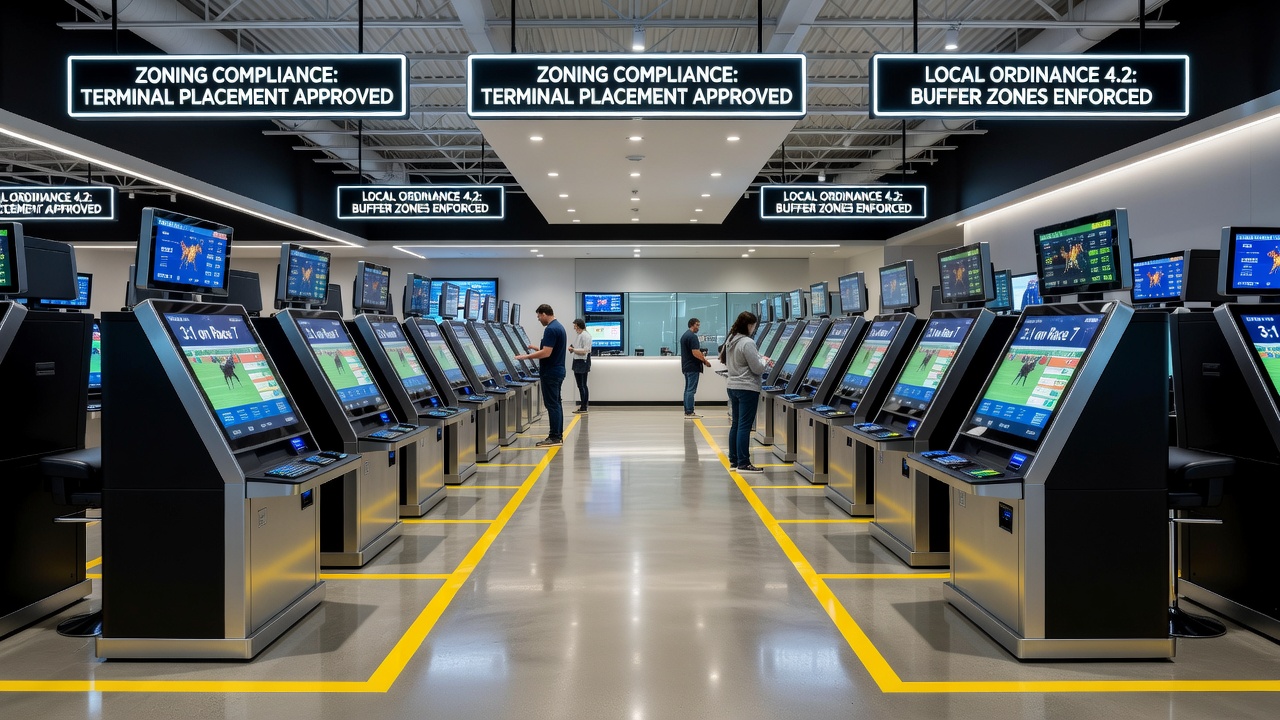
Zoning ordinances from municipal governments establish clear boundaries that determine where operators may install betting terminals inside retail gaming centers, and these rules often intersect with commercial land-use categories that include convenience stores, bars, and entertainment venues. Local planning commissions review applications against criteria such as minimum distances from schools, churches, and residential zones, which creates a framework that varies by jurisdiction yet consistently influences site selection processes.
Core Mechanisms of Zoning Oversight
City councils and county boards classify retail gaming centers under specific commercial or mixed-use designations, while betting terminals receive additional scrutiny because they fall within regulated gaming equipment categories; this classification triggers requirements for conditional use permits that demand public hearings and traffic impact studies before any hardware deployment moves forward. Data from state regulatory filings show that approvals hinge on compliance with noise ordinances and parking minimums, and operators must demonstrate that terminal placements will not generate excessive foot traffic in already congested areas.
Distance Requirements and Buffer Zones
Many municipalities enforce buffer zones ranging from 500 to 1,000 feet around sensitive sites, and these measurements force retail operators to map potential locations against GIS layers maintained by planning departments; in practice this means a convenience store near a school boundary may lose eligibility for terminal installation even if the property itself carries the correct commercial zoning. Research conducted by academic institutions in multiple regions indicates that such buffers reduce the number of viable retail sites by up to 35 percent in densely populated counties.
State-Level Variations Emerging in Mid-2026
By July 2026 several states had updated model zoning language to address clustered terminal placements inside large retail complexes, and these revisions require operators to maintain minimum spacing between individual machines to prevent concentrations that could affect pedestrian flow; Pennsylvania and Michigan provide two contrasting examples where county-level rules differ sharply from statewide guidelines. Government reports from the National Conference of State Legislatures document how these updates emerged after local complaints about signage visibility and late-night activity near terminals.
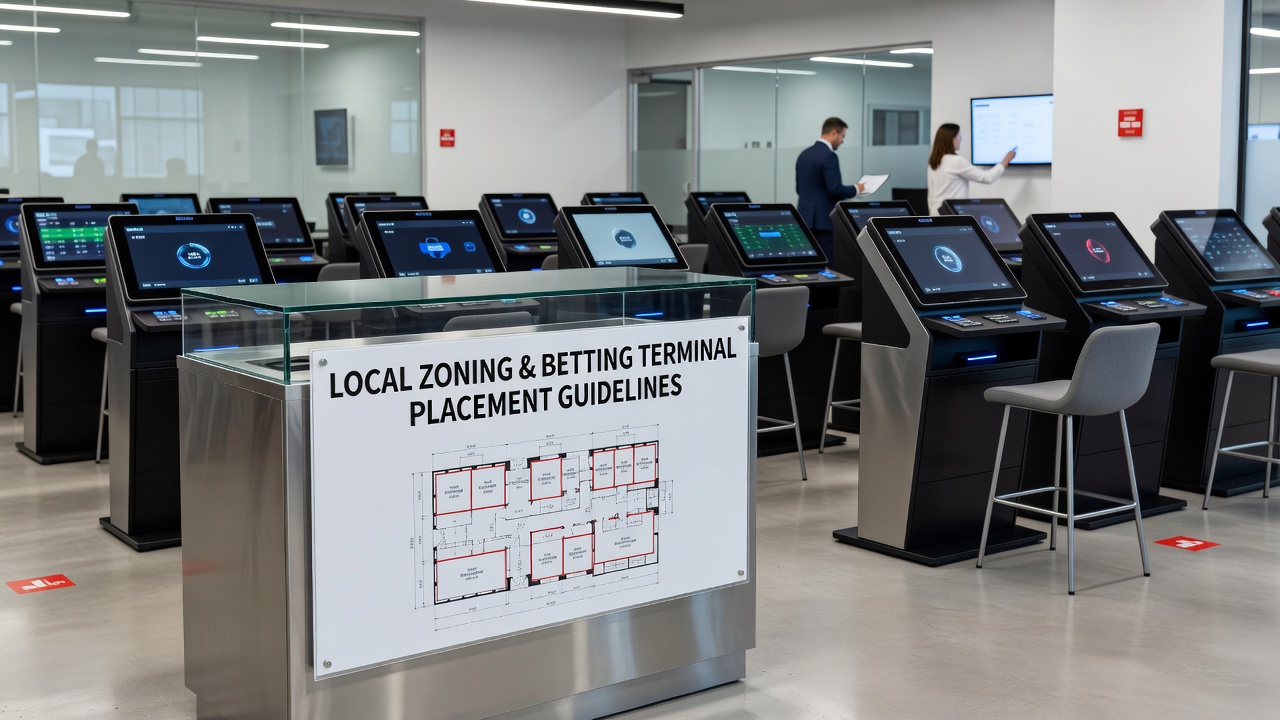
Operators who navigate these layered rules successfully often partner with land-use attorneys early in the site selection phase, and this collaboration helps identify parcels that already satisfy both zoning and gaming licensing criteria before lease agreements are signed. One documented case in a Midwestern county revealed that a chain retailer adjusted three proposed terminal sites after zoning staff identified conflicts with newly adopted buffer expansions around public parks.
Compliance Documentation and Review Processes
Retail gaming center owners submit site plans that include scaled drawings of terminal positions relative to entrances, exits, and neighboring properties, while planning staff cross-reference these drawings against current zoning maps and overlay districts; approval timelines average between 45 and 90 days depending on whether a variance request becomes necessary. Industry trade associations report that incomplete applications account for the majority of delays, and missing elements frequently involve parking calculations or exterior lighting specifications tied directly to zoning code sections.
Canadian provincial regulators in Ontario have introduced parallel requirements that tie terminal density limits to municipal official plans, and these rules require coordination between the Alcohol and Gaming Commission of Ontario and local planning offices; similar coordination appears in Australian state frameworks where local councils retain final say over placement inside retail venues despite statewide gaming licenses. Such multi-level oversight produces documentation trails that operators must maintain for ongoing compliance audits.
Operational Adjustments Driven by Zoning Findings
When zoning reviews identify conflicts, operators respond by relocating terminals to different interior positions or by modifying store layouts to satisfy setback measurements; these adjustments sometimes involve installation of additional partitions or relocation of promotional displays that could otherwise violate visibility restrictions. Figures released by regional gaming associations show that roughly 22 percent of initial placement proposals undergo at least one revision cycle before final approval.
What's interesting is how zoning enforcement also shapes marketing strategies inside approved venues, since exterior signage promoting terminal availability must comply with separate sign ordinances that limit size and illumination hours; retailers therefore coordinate interior terminal placement decisions with exterior advertising plans from the outset. Observers note that this integrated approach reduces the likelihood of post-installation citations that could halt operations.
Conclusion
The interplay between local zoning laws and betting terminal placements continues to evolve as municipalities refine their ordinances in response to expanding retail gaming footprints, adn operators who maintain current knowledge of both zoning maps and regulatory updates position themselves for smoother approval pathways. Ongoing coordination between planning departments, gaming commissions, and retail stakeholders produces documented outcomes that shape where terminals ultimately appear inside gaming centers across multiple jurisdictions.