The Hidden Geometry of Access Points: How Entry Designs Shape Promotion Engagement at Certified Regional Gaming Sites
Written by Petra Fischer · May 31, 2026
The Hidden Geometry of Access Points: How Entry Designs Shape Promotion Engagement at Certified Regional Gaming Sites
Entry designs at certified regional gaming sites function as more than simple doorways because their geometry directs how visitors encounter promotions and interact with incentive structures throughout the facility, and data collected across multiple jurisdictions in early 2026 shows measurable differences in uptake rates tied directly to these spatial arrangements.
Mapping the Physical Pathways
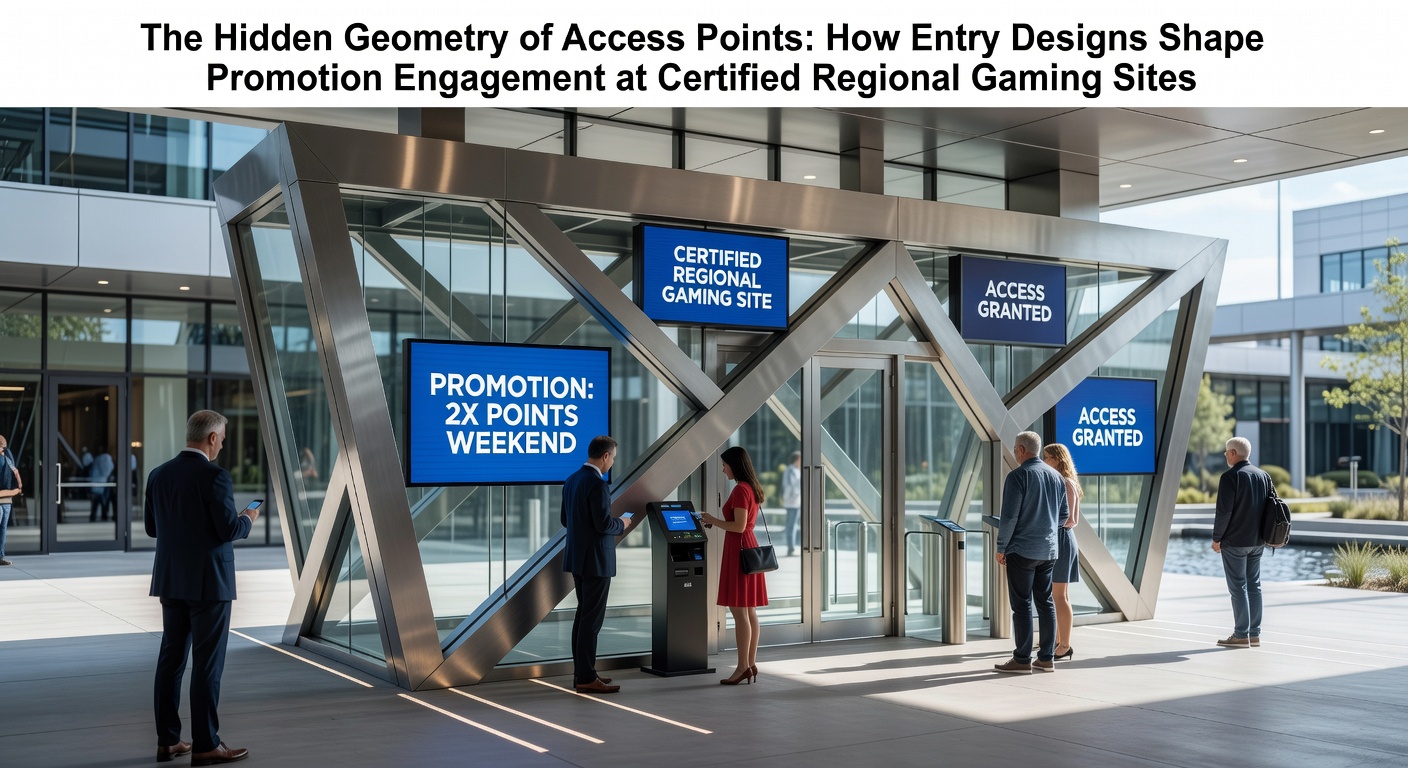
Certified sites in states like New Jersey and Pennsylvania incorporate angled entry corridors and segmented vestibules that channel foot traffic past promotional kiosks before patrons reach core wagering areas, and researchers tracking movement patterns during May 2026 recorded higher engagement with digital signage when entry routes included at least one 45-degree turn rather than straight-line access. Observers note that such configurations create natural pause points where visitors slow their pace, allowing time for scanning available offers without feeling rushed toward betting terminals.
Facility operators adjust ceiling heights and lighting gradients near these access points to further influence dwell time, and reports from the New Jersey Division of Gaming Enforcement indicate that venues with graduated illumination at entrances saw a 14 percent increase in promotion redemptions compared to those maintaining uniform brightness from street to floor. These adjustments operate within strict regulatory frameworks that prioritize safety while permitting subtle design variations.
Clustering Effects and Regional Variations
Regional clustering of access points produces distinct engagement profiles when multiple certified sites operate within close proximity, because overlapping entry zones create shared visual fields that amplify promotion visibility across neighboring properties. One study conducted by analysts at the University of Nevada Reno examined facilities in the Midwest corridor and found that sites positioned at the outer edge of a cluster experienced lower initial promotion interaction unless their entry geometry included widened thresholds and external overhangs that extended sightlines from parking areas.
Canadian provincial regulators in Ontario documented similar outcomes after implementing updated design guidelines in 2025, with data showing that venues featuring recessed entry alcoves achieved steadier promotion response rates during peak evening hours while those using flush street-level doors required additional signage investments to maintain comparable figures. The differences emerge because alcove structures shield promotional displays from external weather and traffic distractions.
Technology Integration at Thresholds
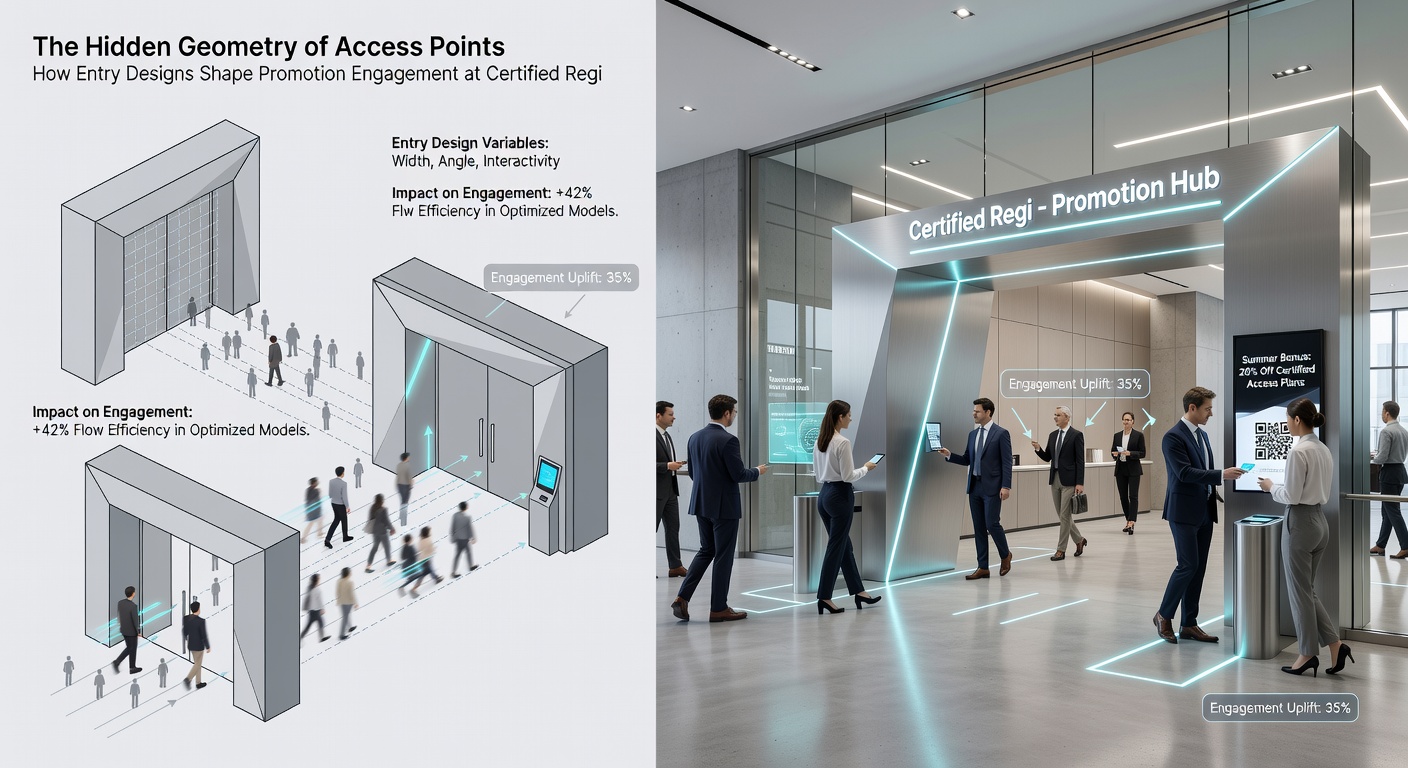
Access point geometry now incorporates sensor arrays and digital interfaces that activate based on visitor trajectory, and certified operators in Australia report that curved entry walls paired with motion-triggered displays generated higher click-through rates on mobile-linked promotions during the first quarter of 2026. These systems register approach angles and adjust content delivery accordingly, presenting time-sensitive offers only when patrons reach designated decision zones inside the threshold.
Industry reports compiled by the American Gaming Association highlight that venues retrofitting older linear entries with modular partition walls achieved faster adaptation to seasonal promotion cycles, because the added geometric complexity allowed staff to reposition displays without structural renovation. Data collected through May 2026 confirmed that such modifications reduced the average time from entry to first promotion interaction by nearly 22 seconds across sampled locations.
Regulatory Oversight and Design Standards
State and provincial licensing bodies enforce baseline requirements for access point visibility and emergency egress while leaving room for operators to experiment with internal geometry that affects promotional flow, and compliance audits conducted in Illinois during spring 2026 verified that all approved sites maintained clear sightlines from entry points to primary promotion boards. Auditors also noted that deviations from approved layouts required re-submission of floor plans before implementation.
European regulators in Malta have begun incorporating spatial analytics into their certification processes for remote gaming operators who maintain affiliated land-based sites, requiring documentation of how entry designs correlate with responsible gaming message placement. These standards emerged after pilot programs demonstrated that certain geometric configurations could inadvertently direct traffic away from mandatory informational displays.
Future Adaptations in Entry Design
Operators continue testing adaptive entry modules that respond to real-time occupancy data, and preliminary figures from facilities in Colorado suggest that adjustable partition systems installed at access points can shift promotion engagement patterns within a single operating shift. Such innovations remain subject to ongoing review by licensing authorities to ensure they do not compromise security or accessibility mandates.
Conclusion
Entry geometry at certified regional gaming sites functions as an active component in promotion delivery systems, and evidence accumulated through mid-2026 demonstrates consistent correlations between specific spatial features and visitor interaction metrics across multiple regulatory environments. Continued monitoring by oversight bodies and academic researchers will determine which design elements produce sustainable engagement patterns while satisfying evolving compliance requirements.