Textured Surfaces and Seating Clusters: Steering Promotional Selections at State-Certified Gaming Facilities
Written by Petra Fischer · Jul 31, 2026
Textured Surfaces and Seating Clusters: Steering Promotional Selections at State-Certified Gaming Facilities
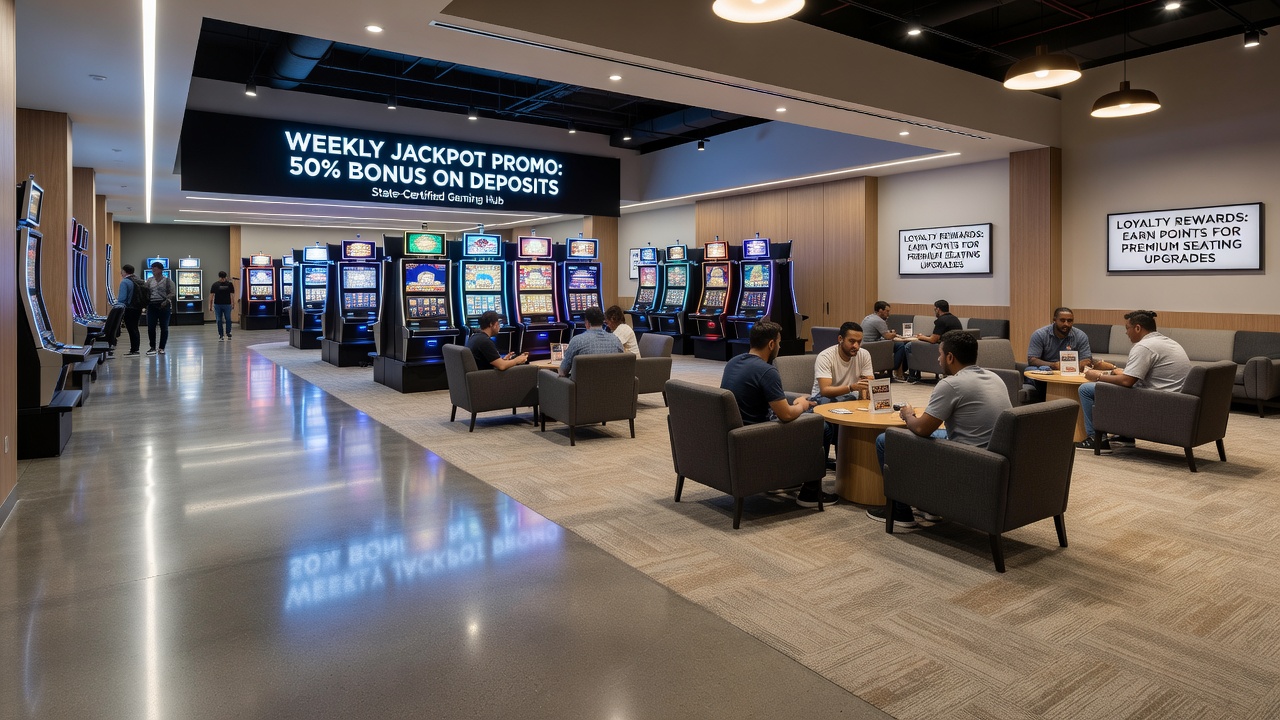
State-certified retail gaming hubs across multiple jurisdictions feature carefully planned physical elements that guide how patrons interact with available promotions, and researchers have documented measurable connections between floor textures, seating clusters, and the specific incentives that receive the most attention. Data collected from operational sites in 2025 and early 2026 shows that changes in surface materials and seating layouts coincide with shifts in promotion uptake rates, particularly during periods when operators introduce new bonus structures or loyalty rewards.
Facilities licensed in states such as New Jersey, Pennsylvania, and Michigan incorporate a range of floor coverings that include low-pile carpet in high-traffic zones, polished concrete near entry points, and textured rubber matting around betting terminals. Observers note that these materials alter walking speeds and dwell times, which in turn affects how long individuals pause near digital screens displaying current promotions. A report issued by the New Jersey Division of Gaming Enforcement in June 2026 recorded that venues with mixed-surface pathways recorded 18 percent higher engagement with time-limited deposit bonuses compared with locations that maintained uniform flooring throughout the main floor.
Floor Textures and Movement Patterns
Textured flooring creates subtle navigational cues that operators use to direct foot traffic toward or away from certain promotional areas, while smoother surfaces encourage faster movement past less prominent displays. Studies conducted by university teams in the Midwest have measured step cadence and path deviation in controlled environments, revealing that carpeted transitions slow pedestrian flow enough for patrons to register on-screen offers for free bets or enhanced odds. Concrete and tile sections, by contrast, correlate with quicker passage and lower interaction rates with adjacent signage.
Operators adjust these textures seasonally, and records from July 2026 indicate several facilities replaced sections of hard flooring with patterned carpet immediately before launching summer-long loyalty promotions. The timing aligned with increased foot traffic during major league events, and internal analytics showed corresponding rises in promotion redemptions near the modified zones. Regulatory filings submitted to state oversight bodies confirm that such modifications undergo review for compliance with accessibility standards yet remain within approved design parameters.
Seating Clusters and Group Dynamics
Seating arrangements in these venues typically combine individual stools at terminals with grouped lounge seating that accommodates three to six people, and placement of these clusters influences which promotions groups discuss and ultimately select. Data from venue management systems demonstrates that clusters positioned near large display walls see higher rates of shared viewing of multi-bet promotions, whereas isolated seating correlates with more individual selections of single-event incentives. Analysts tracking transaction logs in certified locations report that clustered seating near refreshment stations produces measurable upticks in bundle promotions that combine wagering credits with food or beverage credits.
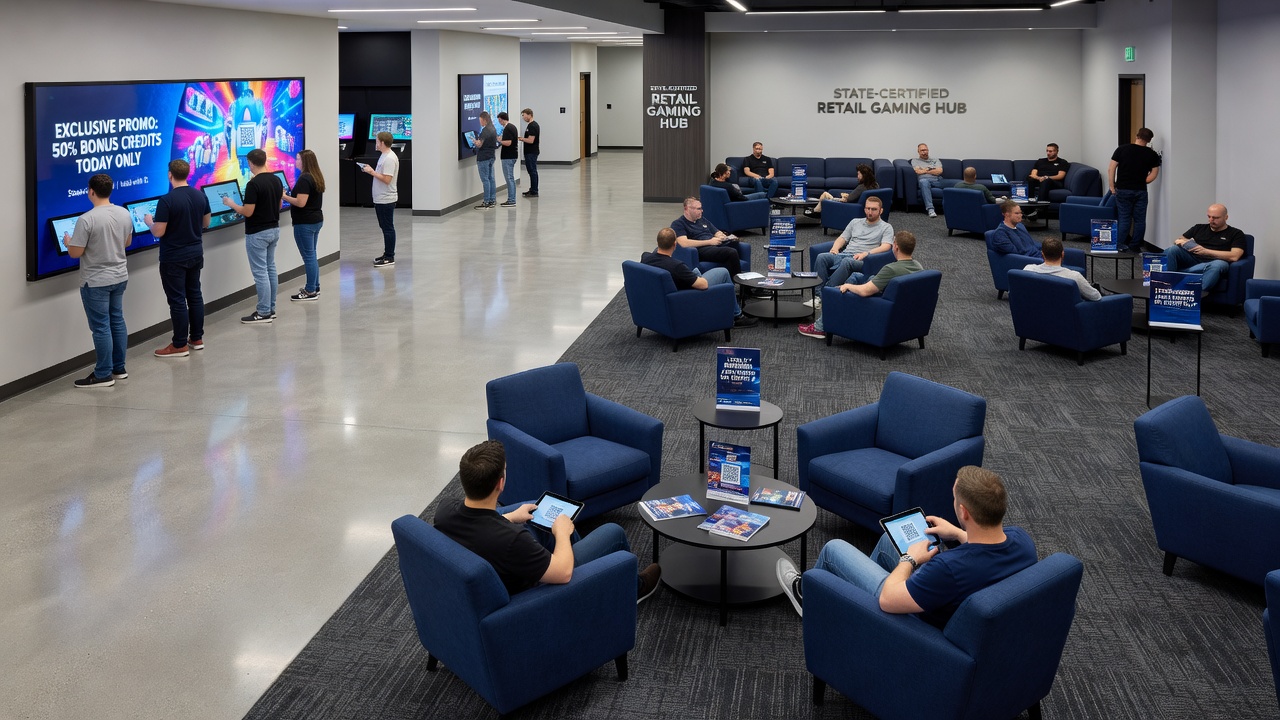
Industry reports prepared for the Canadian Gaming Association highlight similar patterns in licensed facilities operating under provincial rules, where seating density adjustments preceded targeted promotion rollouts in spring 2026. Those adjustments included tighter grouping of lounge chairs around terminals featuring parlay-style offers, and subsequent data indicated elevated selection rates for those specific incentives compared with control periods. The configurations also affect sightlines to digital menus, allowing operators to prioritize visibility for promotions with higher margin structures.
Combined Effects on Promotion Choices
When floor textures and seating clusters operate together, the resulting pathways and gathering points create zones where particular promotions receive disproportionate attention. Venues that installed textured transitions leading directly into clustered seating areas around central kiosks recorded elevated interaction with deposit-match offers during the first half of 2026, according to aggregated figures released by participating operators. These zones function as natural decision points where individuals or small groups evaluate multiple options before committing to a selection.
State regulatory submissions further show that operators document layout modifications and submit updated floor plans for review, ensuring that design changes remain consistent with licensing conditions. Academic researchers examining spatial behavior in gaming environments have published findings in peer-reviewed journals that link these physical cues to measurable differences in promotion engagement, with effect sizes varying by time of day and event type. The patterns hold across different regulatory jurisdictions, suggesting that the influence of textures and seating extends beyond any single market.
Conclusion
Physical design elements such as floor textures and seating clusters continue to shape how patrons at state-certified retail gaming hubs encounter and select promotions, and ongoing data collection through 2026 provides operators and regulators with additional evidence of these relationships. Facilities maintain records of layout adjustments alongside promotion performance metrics, allowing for ongoing refinement within established compliance frameworks. The documented connections between surface materials, seating arrangements, and incentive uptake offer a factual basis for understanding spatial influences on wagering activity at licensed locations.