Spatial Arrangements Guiding Bets: Design Influences on Activity at Approved Regional Sites
Written by Petra Fischer · Jun 5, 2026
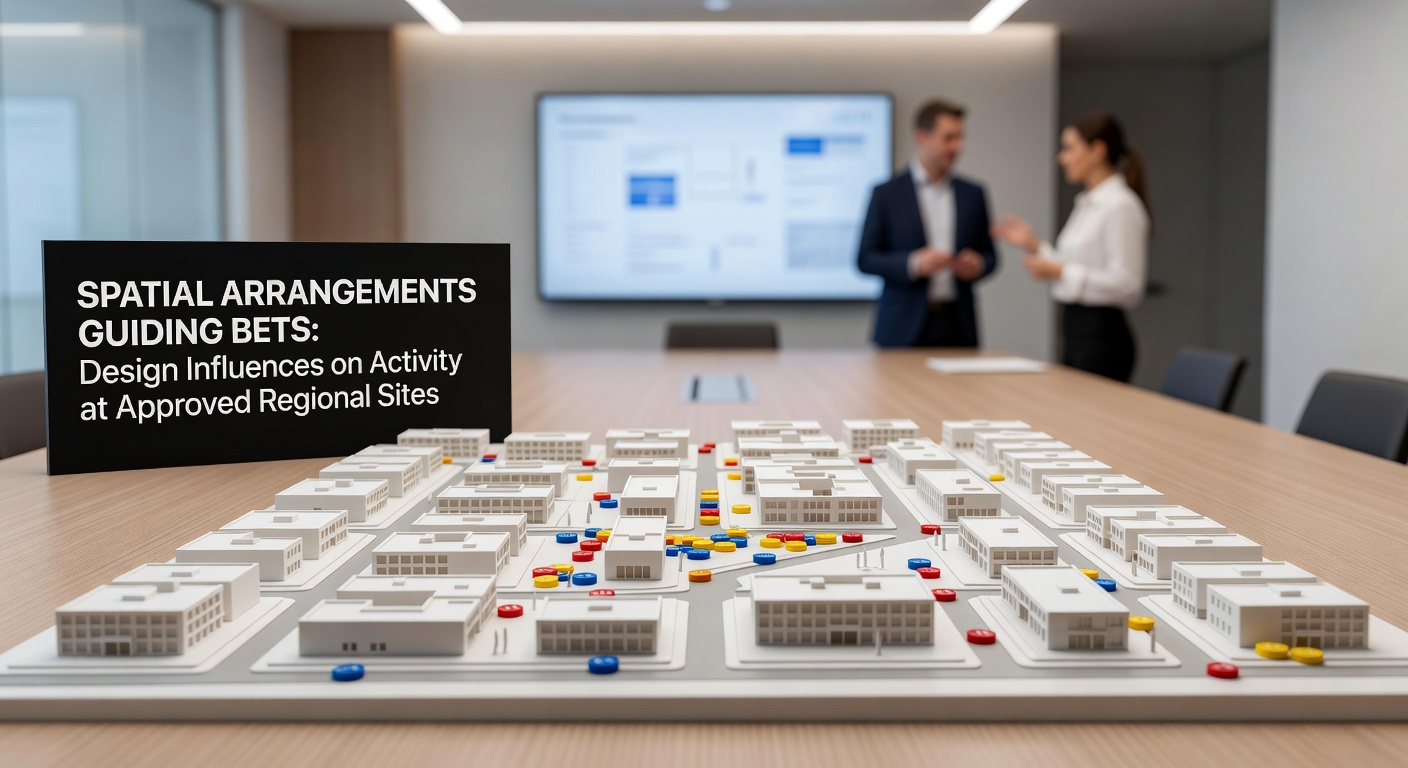
Spatial Arrangements Guiding Bets: Design Influences on Activity at Approved Regional Sites
Approved regional sites for wagering activity feature spatial arrangements that direct bettor movement and decision patterns in measurable ways, according to facility design analyses conducted across multiple jurisdictions. Layout elements such as entry sequences, counter placements, and circulation paths correlate with wager volume and type selection, data from operational reports indicate. Researchers who examined these configurations found that proximity to high-traffic zones often increases engagement with specific promotions while quieter alcoves support prolonged session times on in-play options.
Entry designs play a documented role in initial activity levels. Wide, illuminated thresholds paired with digital displays draw higher foot traffic toward certain terminals, whereas narrower corridors funnel visitors toward clustered seating areas equipped with screens. Studies from the Nevada Gaming Control Board highlight how these access points influence the sequence of interactions, with data showing elevated uptake of welcome bonuses when signage appears within the first ten meters of entry.
Interior Flow Patterns and Selection Behaviors
Interior circulation routes connect distinct zones and steer choices once bettors enter the space. Linear paths that pass multiple betting stations encourage comparative odds checks, while looped configurations keep participants circulating among the same set of options. One analysis of venue dynamics revealed that curved walkways reduced dwell time at promotional kiosks yet increased spontaneous wagers on live events because participants encountered terminals at irregular intervals.
Seating arrangements further shape activity. Clusters of high-backed chairs positioned near large displays correlate with extended viewing of particular sports, whereas bar-style counters favor quick, single-wager transactions. Data compiled in June 2026 across several state-licensed facilities showed that venues incorporating modular furniture adjusted layouts seasonally, resulting in shifts toward parlay bets during peak summer months when outdoor events dominated schedules.
Technology Integration Within Designed Spaces
Digital interfaces embedded in the physical environment extend the reach of spatial cues. Touchscreen kiosks placed at natural stopping points along pathways allow instant access to markets, and their positioning relative to rest areas or refreshment stations affects usage frequency. Observers note that integration of augmented reality overlays on fixed screens draws attention to niche events that might otherwise receive less consideration in open-plan areas.
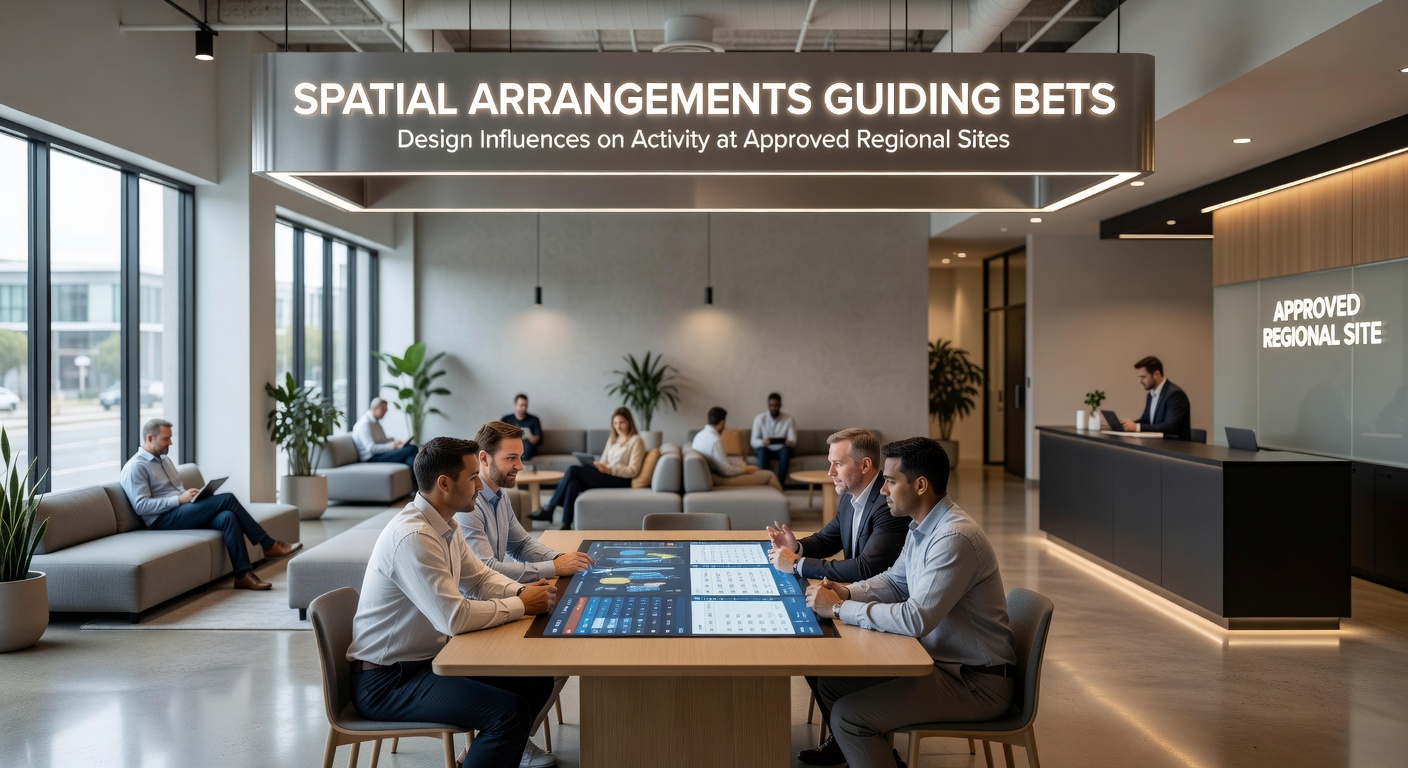
Acoustic and lighting controls also contribute. Softer illumination in designated lounge sections encourages longer consideration of complex bets, while brighter zones near service counters accelerate transaction speed. Research from the University of Nevada, Las Vegas gaming laboratory indicates measurable differences in average handle per visitor when these environmental factors combine with strategic terminal placement.
Regional Variations and Regulatory Contexts
Different jurisdictions apply distinct guidelines that affect how spatial designs translate into operational outcomes. Pennsylvania facilities, for instance, must maintain clear sightlines from security stations, which constrains certain clustering strategies yet supports broader monitoring of promotion engagement. Australian state regulators impose minimum spacing requirements between gaming positions that alter flow dynamics compared with denser U.S. configurations, according to reports from the New South Wales Independent Liquor and Gaming Authority.
Clustering effects emerge when multiple approved sites operate in proximity. Bettors traveling between nearby venues encounter repeated design motifs that reinforce habits, data from regional economic studies suggest. In June 2026, several Midwest markets reported increased cross-site movement following coordinated layout updates that aligned entry signage with mobile app integrations.
Conclusion
Design elements at approved regional sites function as silent coordinators of wagering patterns, with documented correlations between layout features and activity metrics. Entry sequences, circulation routes, seating zones, and technology placements each contribute measurable effects that operators track through performance data. Regulatory frameworks across jurisdictions shape the parameters within which these influences operate, producing varied outcomes by region and season. Ongoing monitoring continues to refine understanding of how physical arrangements intersect with participant behavior at licensed facilities.