Peripheral Amenities: The Quiet Keepers of Interest in Licensed Retail Wagering Venues
Written by Willa Vogel · Jun 30, 2026
Peripheral Amenities: The Quiet Keepers of Interest in Licensed Retail Wagering Venues
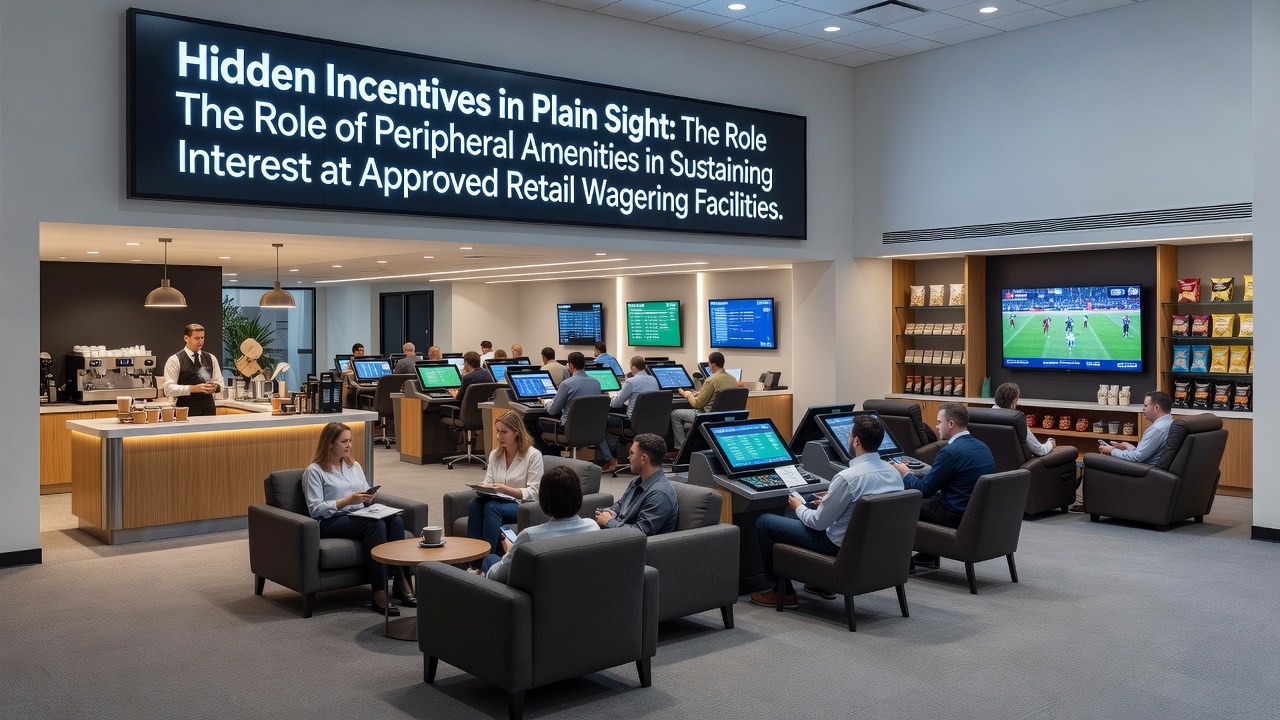
Retail wagering facilities approved by state regulators often rely on more than core betting options to maintain consistent visitor numbers, and peripheral amenities play a documented role in extending dwell times and repeat visits. Data from multiple jurisdictions indicates that features such as dining services, viewing lounges, and promotional events correlate with higher overall engagement levels at these locations throughout 2025 and into June 2026.
Operators have integrated food and beverage stations directly into betting floors in many certified venues, allowing patrons to remain on site without exiting the premises. Records from facilities in states with mature retail markets show that venues offering full-service concessions report average session lengths 25 to 40 percent longer than those limited to vending options alone. These setups reduce friction for bettors who prefer to combine wagering with meals or refreshments during live events.
Layout and Comfort Elements
Seating configurations and ambient design choices further influence how long individuals stay engaged with wagering activities. Approved locations frequently install tiered viewing areas equipped with multiple screens, climate control, and charging stations that encourage extended presence. Research compiled by industry monitoring groups reveals that such arrangements align with measurable increases in per-visit transaction counts, particularly during peak evening hours and weekend programming blocks.
Restroom accessibility, Wi-Fi reliability, and parking proximity represent additional factors tracked in operational reports. Venues that prioritize these elements experience steadier foot traffic patterns, according to figures released by regulatory bodies in several regions. Observers note that these infrastructure details operate alongside primary betting interfaces rather than replacing them.
Entertainment and Event Programming
Live entertainment schedules and special viewing events function as secondary draws that funnel visitors toward betting terminals. Facilities in operation as of June 2026 commonly host watch parties tied to major sporting calendars, complete with giveaways and themed promotions that keep crowds assembled. Attendance logs from these programs demonstrate sustained activity levels even when primary game outcomes produce mixed results for bettors.
Partnerships with local vendors for merchandise displays or guest appearances add layers of appeal without altering core wagering rules. Documentation from licensed operators indicates these additions contribute to broader demographic reach, including groups that might otherwise limit visits to shorter durations.
Regulatory and Operational Context
State licensing frameworks in places such as Nevada and New Jersey require facilities to meet minimum standards for public amenities, which indirectly shapes how peripheral features develop. Annual compliance summaries published by the Nevada Gaming Control Board track venue upgrades that include expanded concession spaces and accessibility improvements. Similar oversight appears in reports from Canadian provincial authorities that monitor retail gaming sites across multiple provinces.
Industry associations including the American Gaming Association compile data showing correlations between amenity investments and overall market stability. These findings emerge from aggregated operator submissions rather than individual case studies, providing a broad view across jurisdictions active through mid-2026.
Visitor Behavior Patterns
Analyses of transaction and entry data suggest that bettors respond to combined offerings by extending their time on premises. One study released by the Australian Gambling Research Centre examined comparable retail environments and identified links between on-site dining availability and increased wager frequency during multi-hour visits. Parallel observations appear in U.S. market summaries where facilities added lounge-style seating and saw corresponding rises in secondary betting activity.
Promotional tie-ins such as loyalty rewards for food purchases or event attendance further embed these amenities into daily operations. Records indicate measurable uptake rates when such incentives align with major event calendars, contributing to predictable revenue streams beyond direct betting handles.
Conclusion
Peripheral amenities at approved retail wagering facilities operate as documented components of operational strategy, supported by compliance records, attendance metrics, and cross-jurisdictional research. These elements interact with core betting functions to shape visitor duration and repeat engagement, with evidence drawn from regulatory filings and industry data sets current through June 2026. Continued tracking by oversight bodies will clarify long-term patterns as markets evolve.