Hidden Layers of Access: Regional Clustering Effects on Wager Placement and Promotion Uptake at Licensed Venues
Written by Willa Vogel · May 29, 2026
Hidden Layers of Access: Regional Clustering Effects on Wager Placement and Promotion Uptake at Licensed Venues
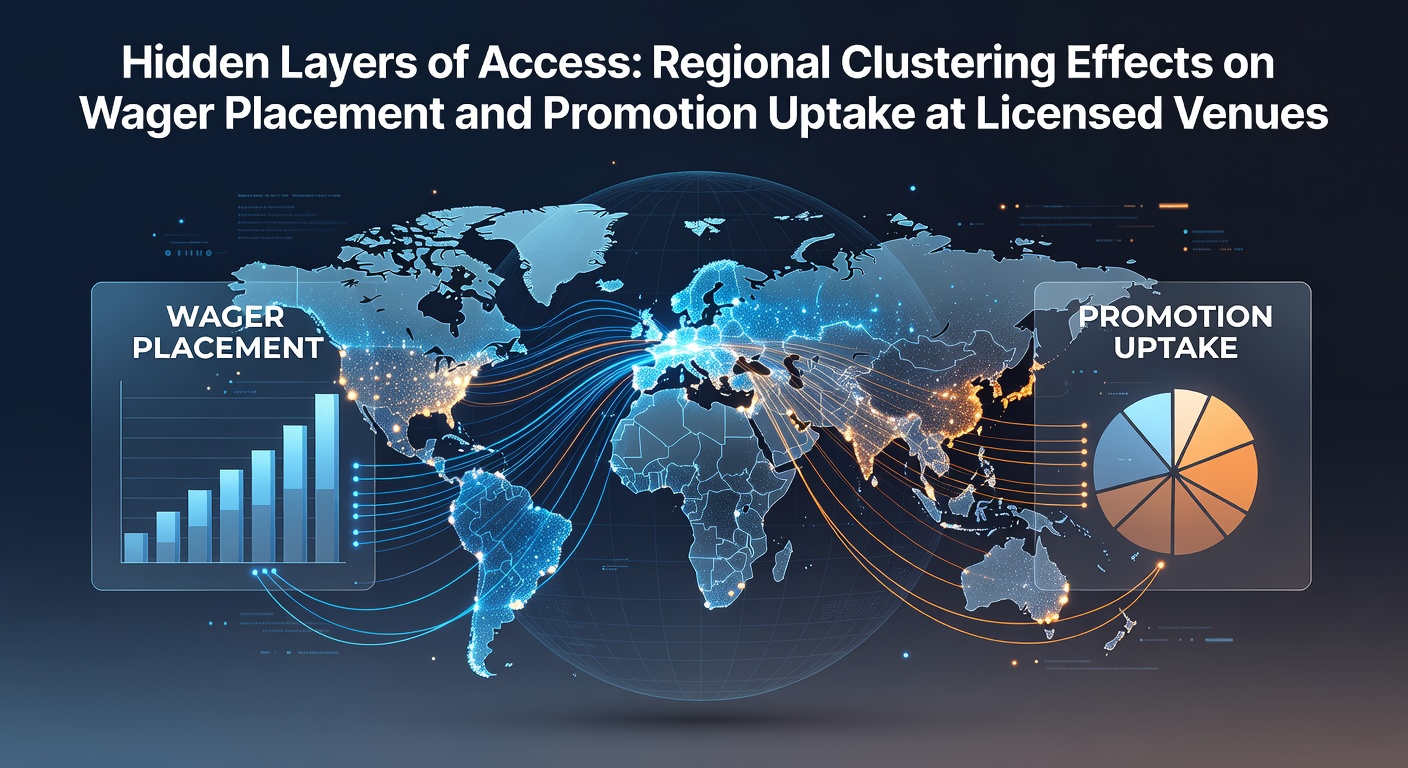
Regional clustering of licensed sports betting venues shapes how bettors select locations and respond to promotions, and data collected through May 2026 shows measurable patterns in both wager placement and uptake rates. Clusters form where multiple approved sites sit within short distances of one another, often near major transportation hubs or entertainment districts, while isolated venues appear in less dense counties. Observers note that these groupings influence foot traffic because bettors tend to compare offerings on site rather than travel between distant options.
Patterns of Venue Concentration Across Markets
Studies of licensed retail locations reveal that clustering occurs most frequently in metropolitan counties where zoning rules permit multiple operators to open within a few miles. In contrast, rural regions show single-site dominance because regulatory caps limit the number of licenses per area. Figures from state regulatory filings indicate that clustered venues account for higher daily transaction counts, whereas standalone sites record steadier but lower volumes spread across longer operating hours. Those who've examined location metrics point out that proximity allows operators to share customer flows during peak evening periods, particularly on weekends when live event betting peaks.
Effects on Wager Placement Decisions
Bettors in clustered zones demonstrate greater willingness to move between nearby venues when odds or payout structures differ, and transaction logs confirm that cross-site movement rises when two or more locations operate within a ten-minute drive. Data shows that wager types shift as well, with in-play bets increasing at sites that offer faster service windows or additional terminals. Researchers tracking placement behavior in multi-venue districts found that bettors place smaller individual wagers more frequently when they can visit several outlets in one trip, spreading risk across promotions tied to specific events.
Promotion Response in Clustered Versus Isolated Settings
Promotion uptake follows similar geographic logic, and records through early 2026 indicate that clustered venues convert sign-up bonuses and deposit matches at higher rates because customers encounter competing offers within the same outing. Isolated venues rely more on targeted digital campaigns to draw patrons from farther away, yet conversion remains lower when travel time exceeds thirty minutes. Industry reports highlight that loyalty programs tied to clustered sites retain users longer when rewards stack across multiple locations, while single-site programs emphasize larger per-visit incentives to offset limited choice.
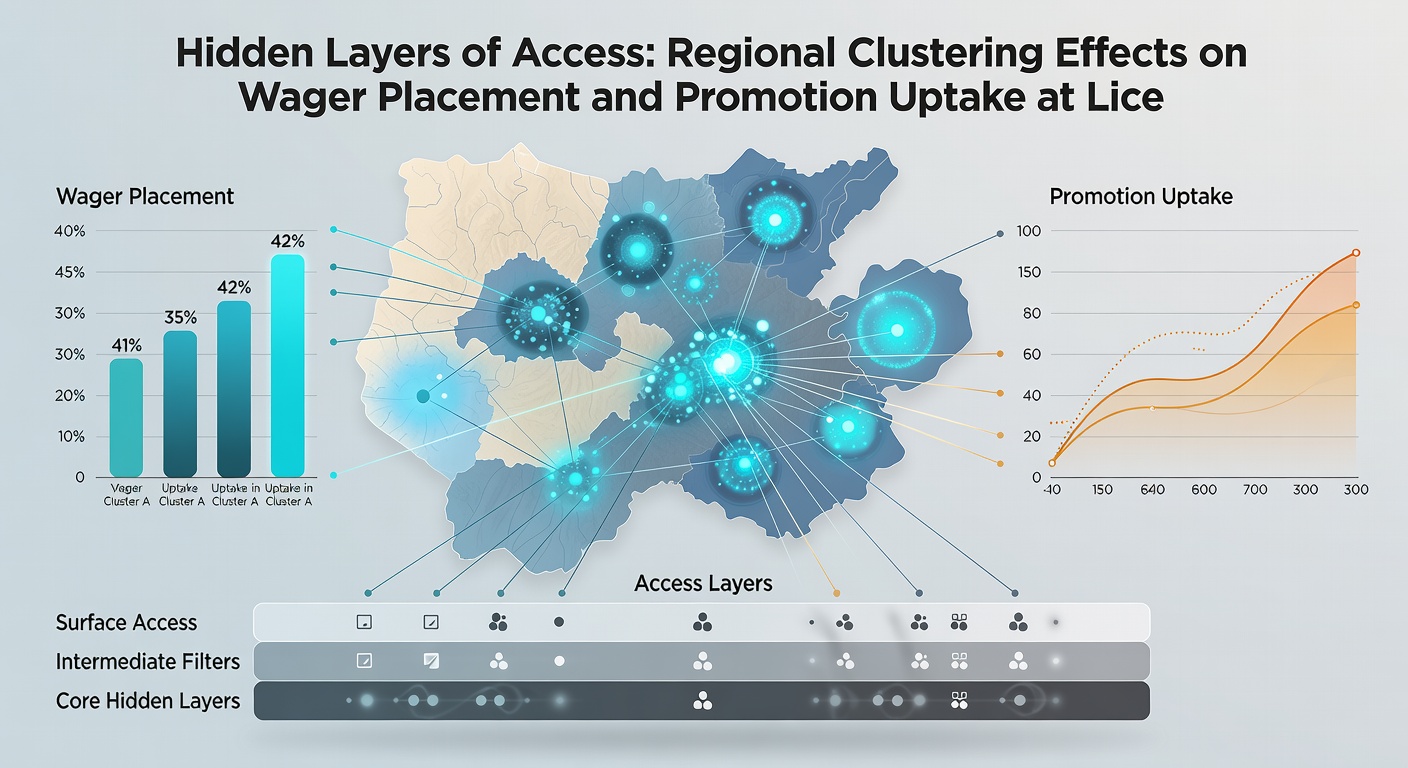
One analysis of retail data across several states found that free bet redemptions occur 18 percent more often inside dense clusters during the first week of a new promotion cycle. The same study noted that isolated venues achieve comparable redemption numbers only when they extend promotion windows or pair offers with local events. Observers tracking these trends emphasize that access layers created by clustering reduce friction for bettors who compare terms on the spot.
Regional Examples and Regulatory Context
Markets in the northeastern United States display tight clustering around major sports arenas, and filings with the New Jersey Division of Gaming Enforcement show elevated promotion participation near these hubs compared with outlying counties. In western Canada, provincial licensing data reveals fewer clusters but stronger per-site promotion uptake when venues sit near cross-border travel routes. Australian state regulators have documented similar effects in urban entertainment precincts where multiple operators share foot traffic generated by nearby stadiums. Each region applies different density rules, yet the underlying pattern persists: clustered access correlates with higher frequency of both wager placement and promotion engagement.
Academic reviews of venue distribution further indicate that clustering influences the mix of bettor demographics, drawing younger users who prioritize convenience and older users who value established loyalty structures. These demographic shifts appear consistently across datasets collected between late 2025 and May 2026.
Conclusion
Regional clustering creates measurable differences in how bettors choose venues and respond to promotions, and available regulatory and industry data through May 2026 confirms that proximity drives both placement volume and uptake efficiency. Isolated sites adapt through extended incentives while clustered operators benefit from shared customer movement. The patterns documented across multiple jurisdictions illustrate how physical access layers continue to shape retail betting behavior even as digital channels expand.