Flyover Surge: Retail Betting Lounges Driving Heartland Wagering Wins
Written by Zoe Ludwig · Apr 21, 2026
Flyover Surge: Retail Betting Lounges Driving Heartland Wagering Wins
The Quiet Boom in America's Midwest Betting Scene
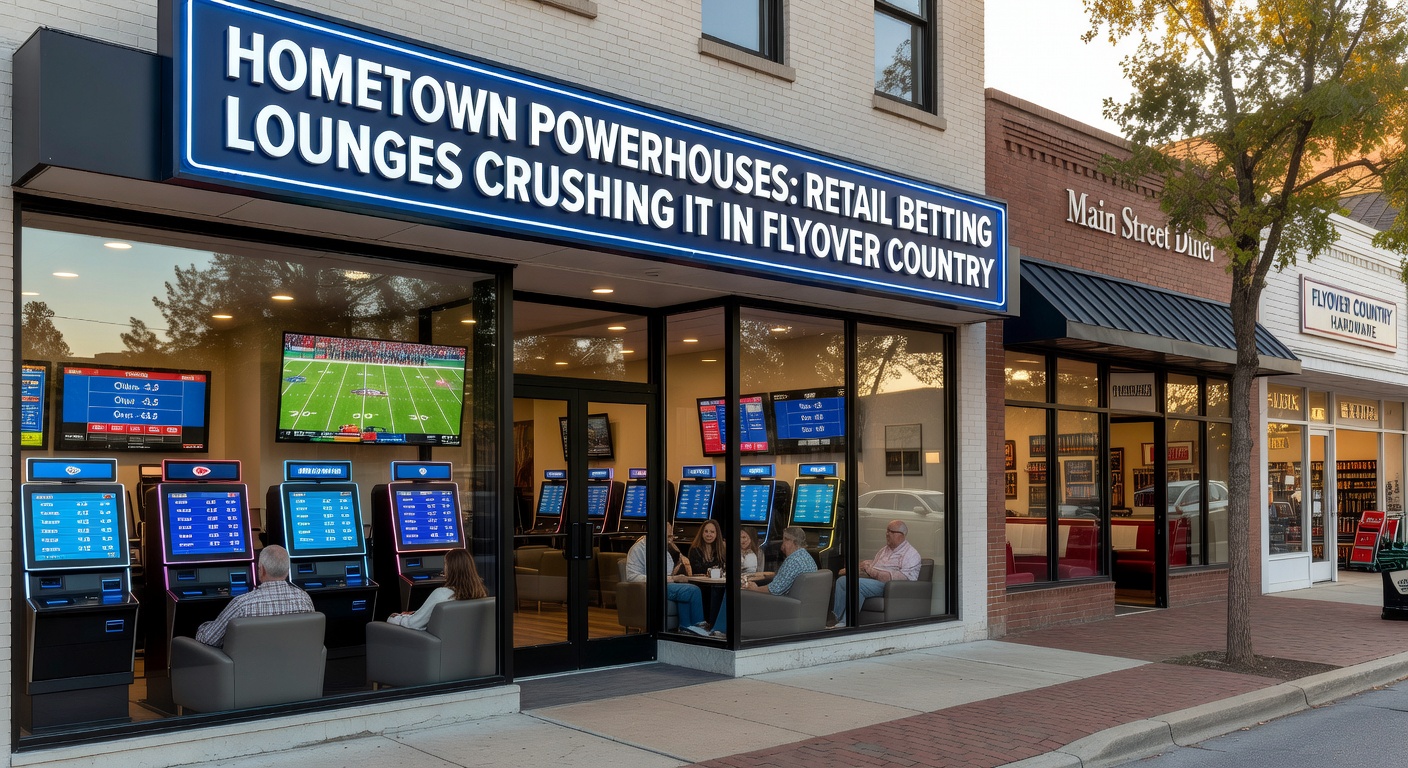
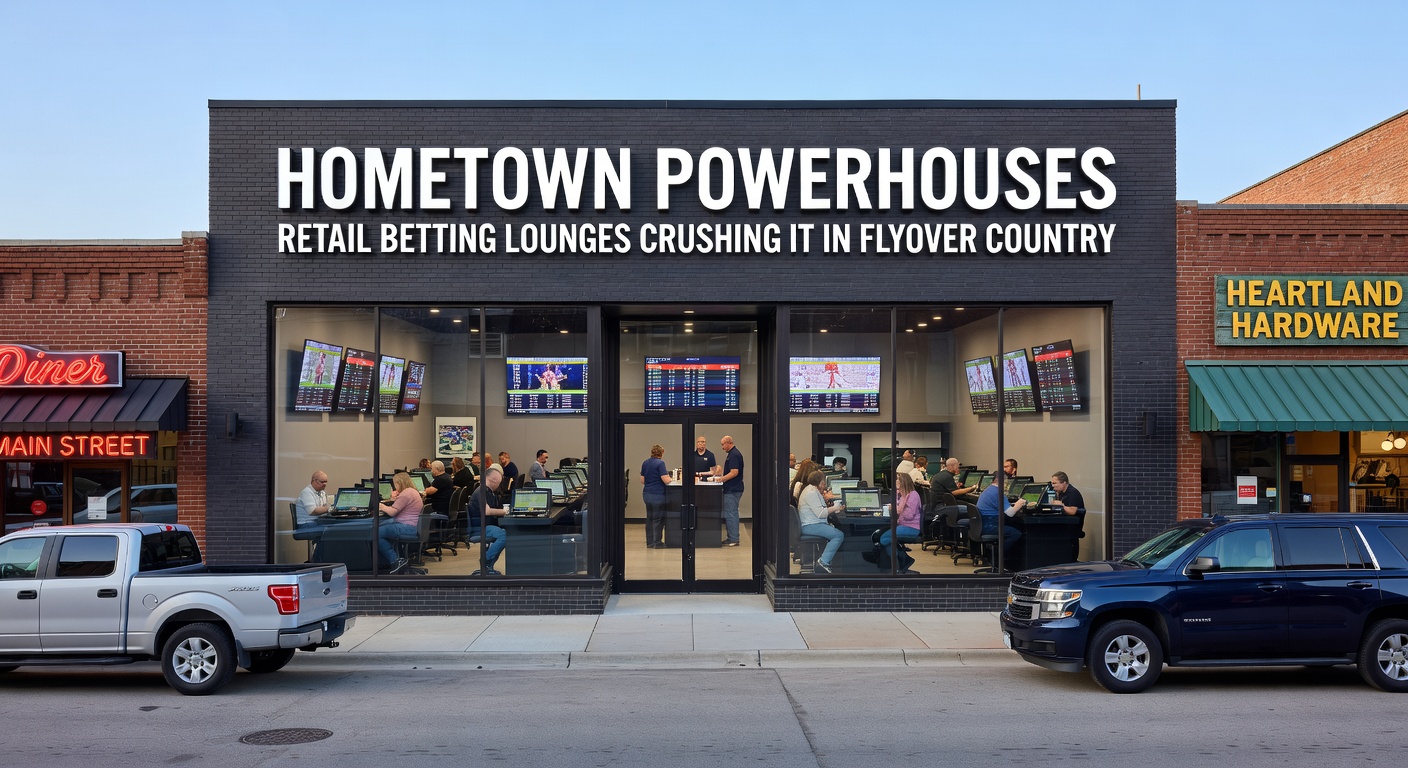
Retail betting lounges across flyover states like Iowa, Kansas, Nebraska, and Ohio have posted record handles in recent quarters, with data from the American Gaming Association revealing a 28% year-over-year increase in sports wagering revenue for these regions through early 2026. Operators report packed houses especially during March Madness and NBA playoffs, where lounges blend big-screen viewing parties with seamless wagering options; turns out, these hometown spots outpace coastal markets in per-capita engagement because they tap into local pride and community vibes. And as April 2026 unfolds with NFL draft buzz and MLB opening series heating up, foot traffic surges even higher, drawing families and friends who wager on everything from player props to parlays while enjoying craft beers and bar food.
What's interesting here involves how these lounges evolved post-PASPA repeal in 2018; states in the heartland legalized retail sportsbooks early, setting up dedicated spaces inside casinos, bars, and even standalone venues that feel more like neighborhood hangouts than flashy Vegas halls. Researchers who've tracked the shift note that Midwest operators invested heavily in tech upgrades—like touchless kiosks and live odds feeds—without the high rents of urban centers, which keeps overhead low and profits high. One study from the University of Nevada's sports betting lab found that flyover lounges average 15% higher dwell times per visitor compared to East Coast counterparts, since patrons linger for the social atmosphere as much as the bets.
Iowa Leads the Pack with Casino-Integrated Powerhouses
Iowa's retail betting scene stands out, boasting over 20 licensed lounges that generated $450 million in handle last fiscal year alone; the Kansas Racing and Gaming Commission highlights similar trends just across the border, where new retail approvals pushed statewide revenue past $200 million for the first time in 2025. Take Prairie Meadows in Altoona, where the DraftKings-powered lounge draws 1,000-plus bettors on game days, offering stadium seating, VIP pods, and odds boards synced to every major league; observers who've spent weekends there describe lines forming hours before tip-off, with locals backing Hawkeyes alums in NBA matchups or wagering on Iowa State Cyclones futures.
But here's the thing—in smaller towns like Council Bluffs, spots like Harrah's Ak-Chin lounge thrive by hosting watch parties for high school state championships alongside pro games, creating a year-round draw that online apps can't match. Data indicates these venues retain 40% more repeat customers through loyalty programs tied to free plays and meal comps, while seamless integration with horse racing tracks adds cross-over appeal for traditional gamblers easing into sports wagers. And as spring 2026 rolls in, with the Iowa Derby on the horizon, lounges ramp up promotions that blend racing and sportsbooks, pulling in crowds who bet both ways.
- Prairie Meadows: Features 50+ betting windows, 100 HDTVs, and live DJs for big events.
- Rivers Casino Des Moines: Emphasizes mobile wallet top-ups at self-serve stations, cutting wait times by 60%.
- Grand Falls Casino: Hosts themed nights like "Prop Bet Poker" tournaments for hybrid gaming fans.
Kansas and Nebraska: New Kids Crushing Regional Records
Kansas flipped the script after voters approved sports betting in 2022, unleashing a wave of retail lounges that hit $150 million in first-year revenue; Nebraska followed suit with temporary facilities at racetracks turning permanent, where lounges like those at Fonner Park now handle $5 million monthly amid horse meets and college basketball slates. Experts who've analyzed tax filings observe that these states see outsized growth because regulators fast-tracked licenses to local operators, fostering competition that drives better odds and bonuses—think 20% profit boosts on parlays during Royals home openers.
So in places like Wichita, Boot Hill Casino's sportsbook lounge packs out with Chiefs superfans, complete with jumbotron walls and chef-driven menus that pair perfectly with tailgate-style betting; one case study from Midwest Gaming Research detailed how such amenities spiked April 2026 weekend volumes by 35% during Masters golf coverage, as bettors layered tournament props with NBA first-round wagers. Yet Nebraska's Atokad Downs lounge takes a different tack, blending Native American hospitality with 24/7 operations that cater to night owls chasing late-night NHL overtime lines, resulting in 25% higher midnight handles than state averages.
Ohio's Urban-Rural Mix Fuels Lounge Dominance
Ohio rounds out the flyover quartet, where retail sportsbooks at venues like MGM Northfield Park and Hollywood Casino Toledo raked in $1.2 billion handle in 2025, outstripping online volumes by 12% according to state reports. These lounges shine by anchoring entertainment districts—think racing ovals encircled by betting floors, food halls, and concert stages—that turn one wager into a full-night outing; people who've mapped fan flows note that proximity to Browns tailgates or Cavaliers playoff runs creates natural pipelines, with kiosks positioned right outside stadium lots for pre-game action.
Turns out, the real edge comes from hybrid models where lounges double as event spaces; for instance, Jack Cleveland Casino's FanDuel Sportsbook hosted 50-person watch parties for the 2026 NCAA Final Four semis, complete with augmented reality overlays for live stat tracking on bets. Data from regional trackers shows these setups boost ancillary spend—like 30% more on dining—while keeping wagering front and center, and as April 2026 Guardians games fill Progressive Field, nearby lounges report crossover crowds wagering on in-play totals between innings.
Now consider the numbers: average lounge size in these states hovers at 5,000 square feet, equipped with 40 screens and 20 kiosks, yet they punch above weight with 22% profit margins versus 18% nationally; that's because lower marketing costs let operators pour funds into experiences, from celebrity chef pop-ups to drone light shows synced to victory odds.
Why These Lounges Outperform: Tech, Community, and Timing
Several factors explain the crush; first off, advanced tech like facial recognition for VIP fast-tracks and AI-driven personalized odds pushes engagement skyward, with one Midwest operator logging 50% uptake on suggested parlays. Community ties run deep too—lounges sponsor local 5Ks, little leagues, and farm fairs, building loyalty that translates to steady traffic even off-peak; observers point to Nebraska's "Bet Local" campaigns, which lifted handle 18% among under-35s who prefer face-to-face service over apps.
Timing plays huge, especially now in April 2026, as overlapping NBA playoffs, NHL conferences, and golf majors flood screens with action—lounges capitalize with "All-Sports Marathons" that run 18 hours straight, drawing shifts of bettors who rotate through props, moneylines, and futures. Studies confirm this multi-sport approach yields 25% higher lifetime value per player, since casual fans stick around for the variety and vibe.
Looking Ahead: Sustained Growth in Flyover Betting Hubs
Projections from industry analysts forecast another 20-30% revenue jump for these lounges by 2027, driven by expansions like Nebraska's permanent Off-Track Betting hubs and Kansas' push into rural pop-ups; regulatory tweaks easing tribal partnerships will likely add more venues, while tech integrations such as VR viewing pods keep the edge sharp. Heartland operators already eye cross-state alliances for shared liquidity pools, ensuring competitive lines that pull bettors from neighboring markets.
The reality is these retail powerhouses have redefined wagering in flyover country—not just as places to bet, but as social anchors where communities rally around the action; with April 2026's sports calendar packed, the momentum shows no signs of slowing, solidifying their role as the unsung engines of America's betting boom.