Entry Configurations and Their Influence on Incentive Utilization Across Licensed Regional Betting Venues
Written by Zoe Ludwig · Jun 21, 2026
Entry Configurations and Incentive Utilization Trends in Licensed Regional Betting Venues
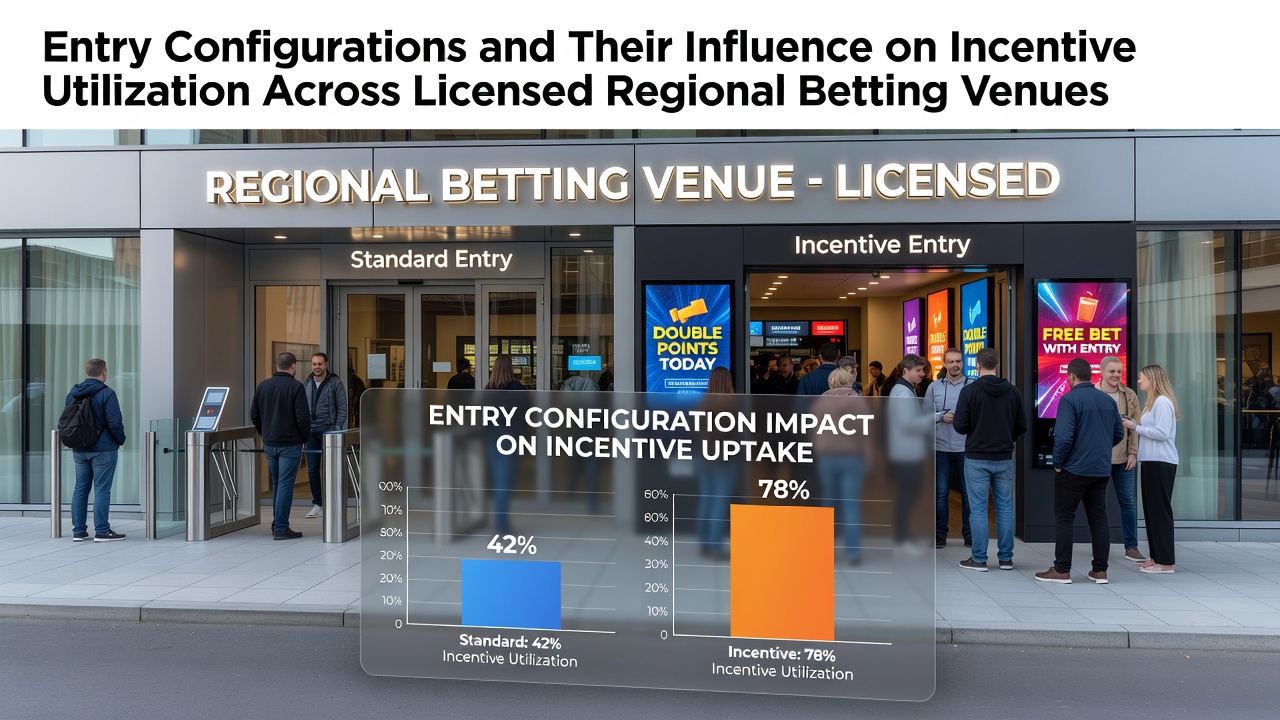
Licensed regional betting venues have adopted varied entry configurations that range from single-point controlled access to multi-door layouts with integrated digital kiosks. These designs determine how patrons first encounter promotional materials, registration terminals, and staff-assisted incentive programs. Data collected through venue management systems indicates that configurations with direct sightlines to bonus claim stations correlate with higher initial engagement rates during peak evening hours. Researchers tracking patron flow patterns across multiple states note that clustered entry zones, where ticket scanners sit adjacent to digital welcome screens, streamline the process of redeeming sign-up offers. In contrast, venues featuring dispersed entrances require additional wayfinding elements such as floor arrows and overhead signage to guide new arrivals toward active promotions. According to records maintained by the Nevada Gaming Control Board, establishments that reconfigured entrances in early 2025 reported measurable shifts in the percentage of visitors completing incentive-linked account verifications within the first fifteen minutes of arrival. Multi-level entry designs incorporating elevators and escalators introduce additional variables. Patrons entering at upper levels often bypass ground-floor registration desks unless staff redirect them through targeted announcements. Observers monitoring June 2026 activity across Midwestern facilities found that venues using synchronized audio cues at each access point maintained steadier incentive uptake compared with sites relying solely on visual displays.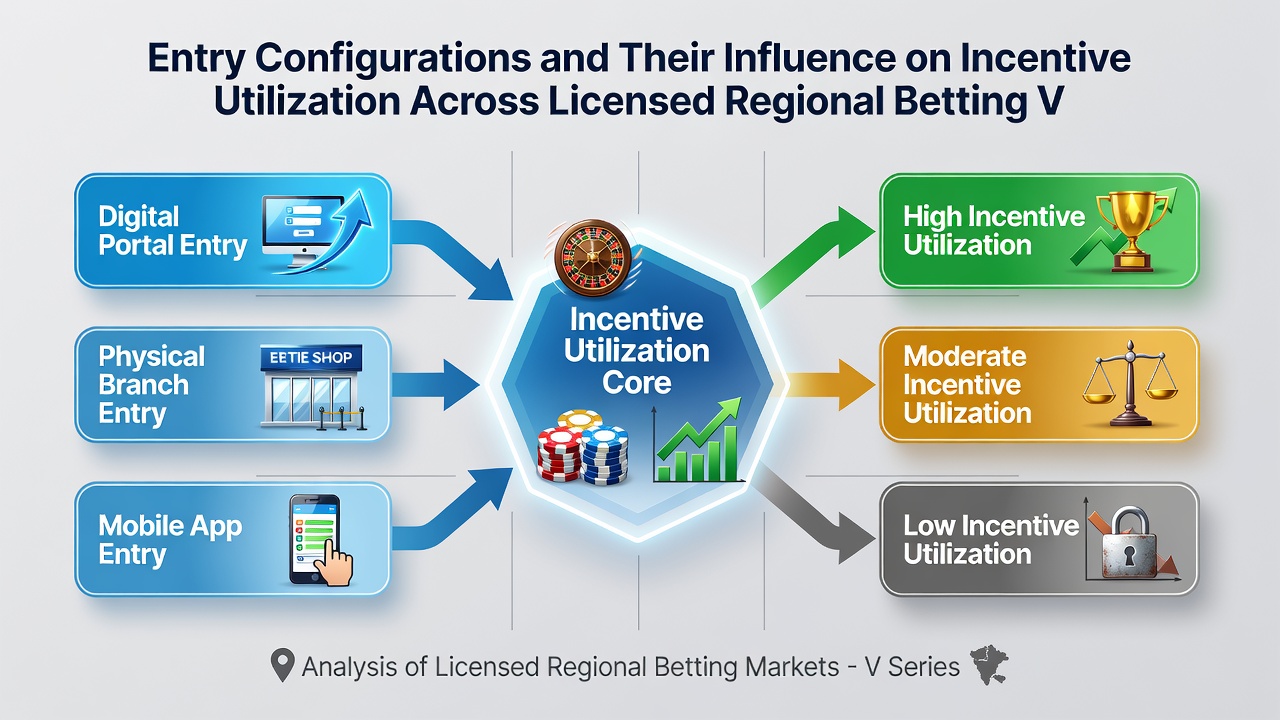
Licensed regional betting venues have adopted varied entry configurations that range from single-point controlled access to multi-door layouts with integrated digital kiosks. These designs determine how patrons first encounter promotional materials, registration terminals, and staff-assisted incentive programs. Data collected through venue management systems indicates that configurations with direct sightlines to bonus claim stations correlate with higher initial engagement rates during peak evening hours. Researchers tracking patron flow patterns across multiple states note that clustered entry zones, where ticket scanners sit adjacent to digital welcome screens, streamline the process of redeeming sign-up offers. In contrast, venues featuring dispersed entrances require additional wayfinding elements such as floor arrows and overhead signage to guide new arrivals toward active promotions. According to records maintained by the Nevada Gaming Control Board, establishments that reconfigured entrances in early 2025 reported measurable shifts in the percentage of visitors completing incentive-linked account verifications within the first fifteen minutes of arrival. Multi-level entry designs incorporating elevators and escalators introduce additional variables. Patrons entering at upper levels often bypass ground-floor registration desks unless staff redirect them through targeted announcements. Observers monitoring June 2026 activity across Midwestern facilities found that venues using synchronized audio cues at each access point maintained steadier incentive uptake compared with sites relying solely on visual displays.Regional Variations in Access Point Planning
Different regulatory environments shape how operators position entry points relative to incentive infrastructure. In jurisdictions with strict licensing that mandate visible responsible gaming messaging at every entrance, designers integrate those requirements into the same visual field as promotional banners. This dual-purpose layout reduces the steps patrons take between arrival and offer redemption. Canadian provincial authorities, through reports issued by the Alcohol and Gaming Commission of Ontario, document that venues with vestibule-style entries containing self-service kiosks achieve faster processing of loyalty program enrollments. Those kiosks display current promotions immediately after ticket validation, creating a seamless transition from entry to incentive activation. Australian state regulators have similarly observed that linear corridor entries leading directly to central betting floors produce different engagement curves than circular lobby configurations that disperse foot traffic.Technology Integration at Entry Points
Digital tools embedded in entry configurations further influence incentive utilization. Facial recognition terminals paired with mobile app logins allow returning patrons to receive personalized offers the moment they cross the threshold. Venues that installed these systems in 2025 recorded increased repeat visits tied to time-limited deposit matches and free bet credits. Wireless beacon networks positioned near doorways push notifications to opted-in devices, alerting users to active promotions before they reach the main wagering area. Industry analyses from the University of Nevada, Las Vegas, highlight that beacon-triggered incentives produce higher conversion when the physical entry path funnels patrons past a staffed help desk within thirty seconds of the notification. Without that proximity, many users defer action until later in their visit or forget the offer entirely.