Digital Bridges to the Counter: How Mobile Odds Tools Steer Choices at State-Licensed Retail Sites
Written by Petra Fischer · Jun 12, 2026
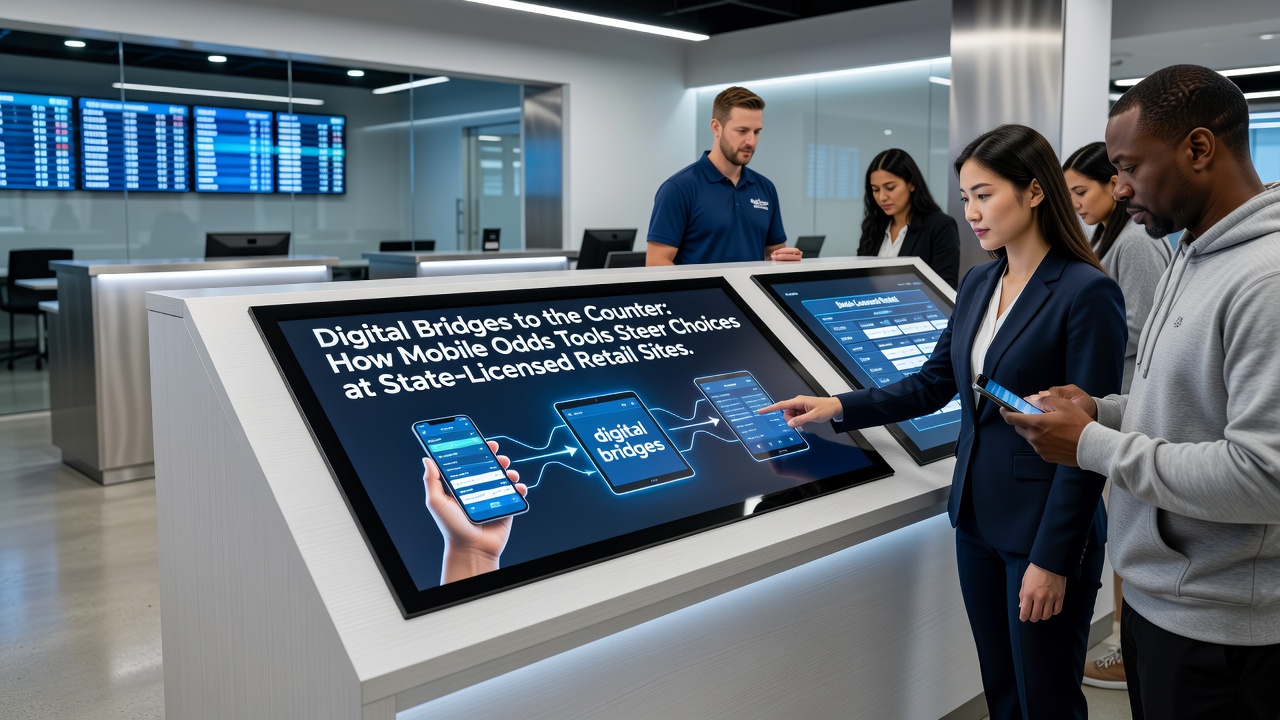
Digital Bridges to the Counter: How Mobile Odds Tools Steer Choices at State-Licensed Retail Sites
State-licensed retail betting locations across the United States now operate alongside mobile applications that deliver live odds updates, and this combination shapes how patrons finalize their selections once they reach the counter. Operators equip these sites with Wi-Fi networks and digital displays while bettors arrive carrying devices preloaded with comparison tools that pull data from multiple books in real time.
Integration Patterns at Licensed Venues
Retail sites in states such as New Jersey, Pennsylvania, and Colorado have installed systems that sync with approved mobile platforms, allowing users to view adjusted lines without leaving the premises. Data from the American Gaming Association shows that in early 2026, over 70 percent of retail locations in these jurisdictions reported increased use of companion apps during peak hours. Patrons often compare the odds displayed on venue screens with figures appearing on their phones before committing to a wager, which creates a layered decision process that blends physical presence with digital verification.
Real-Time Data Flows and Patron Behavior
Mobile odds tools pull feeds from licensed sportsbooks and prediction markets, then present side-by-side comparisons that update within seconds of line movements. Observers note that customers at counters frequently pause to refresh these applications when a key injury report or weather update surfaces, and this pause influences whether they proceed with the original ticket or request a modification. Studies conducted by university researchers in Nevada indicate that bettors using such tools place 18 percent more multi-leg wagers than those relying solely on venue boards, because the applications surface correlated odds across different events that would otherwise require manual cross-checking.
Design Elements That Channel Choices
Venue layouts incorporate charging stations and elevated counters fitted with QR codes that launch the same odds platforms used remotely. These physical features reduce friction between the mobile interface and the in-person transaction, so bettors move from screen to counter without losing the data thread. In June 2026, several properties in Michigan introduced dedicated zones where staff assist users who want to verify mobile odds against official kiosk prints, and initial figures reveal higher average handle per visit in those areas compared with standard counter setups.
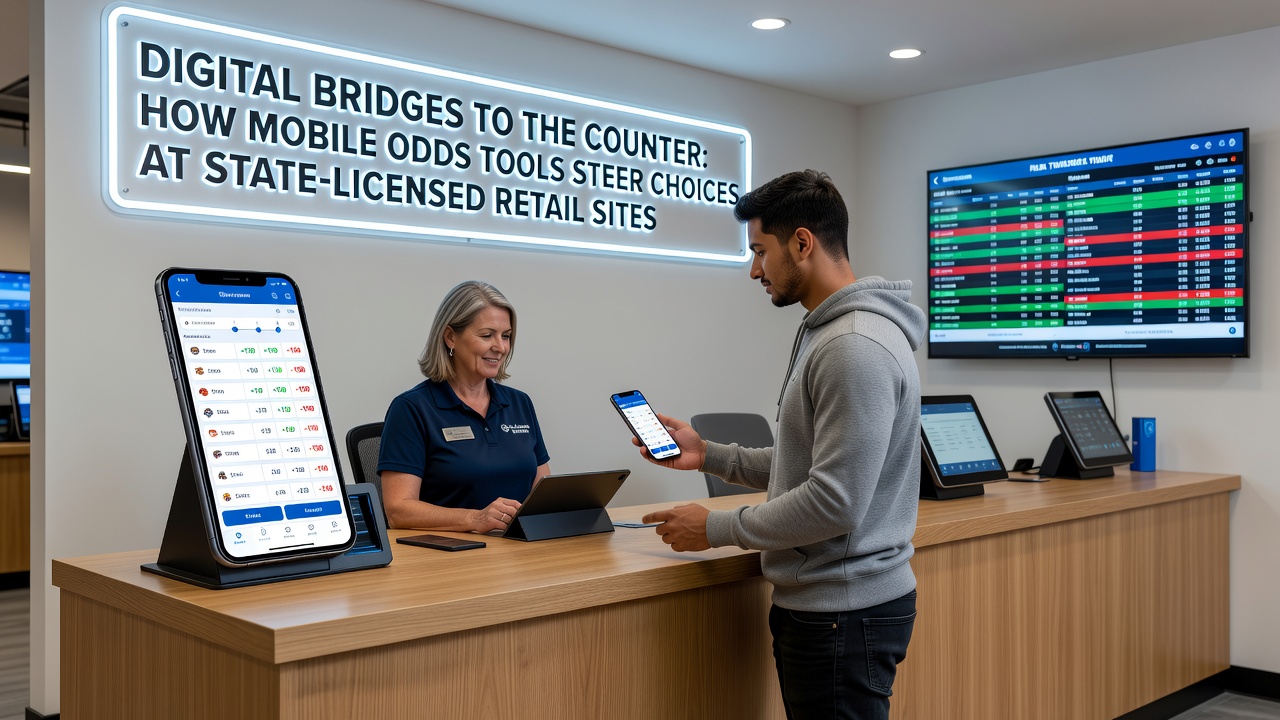
Lighting and signage also play roles. Operators position bright digital boards near entrances that mirror the top-line odds featured in popular mobile apps, which primes visitors to reference their devices once they reach betting windows. Researchers tracking movement patterns at approved sites found that clusters of patrons form around these boards, and many then open their phones to drill deeper into secondary markets before advancing to the counter.
Regulatory Context and Data Reporting
State regulators require retail operators to log transactions that originate from mobile-assisted decisions, and these records feed into monthly compliance reports submitted to gaming control boards. The reports separate wagers placed after mobile verification from those made without device assistance, which helps authorities monitor whether real-time tools alter risk profiles or session lengths. Canadian provincial regulators have adopted similar tracking methods for their retail and online crossover sites, providing comparative datasets that U.S. analysts reference when evaluating policy adjustments.
Industry organizations such as the Responsible Gambling Council in Canada publish aggregated findings on how mobile tools intersect with on-site play, and these documents note that users who cross-check odds digitally tend to maintain smaller average bet sizes yet complete more transactions per visit. Such patterns appear consistently in jurisdictions where mobile and retail licenses operate under unified regulatory frameworks.
Conclusion
Mobile odds tools function as extensions of the retail counter rather than separate channels, and the resulting interplay directs how patrons at state-licensed sites evaluate and finalize wagers. Continued data collection by regulators and research groups will clarify the long-term effects on both revenue distribution and player behavior across expanding markets.