CME Chairman and Kalshi Executive Trade Sharp Words at CFTC Roundtable
Written by Zoe Ludwig · Aug 23, 2026

CME Chairman and Kalshi Executive Trade Sharp Words at CFTC Roundtable
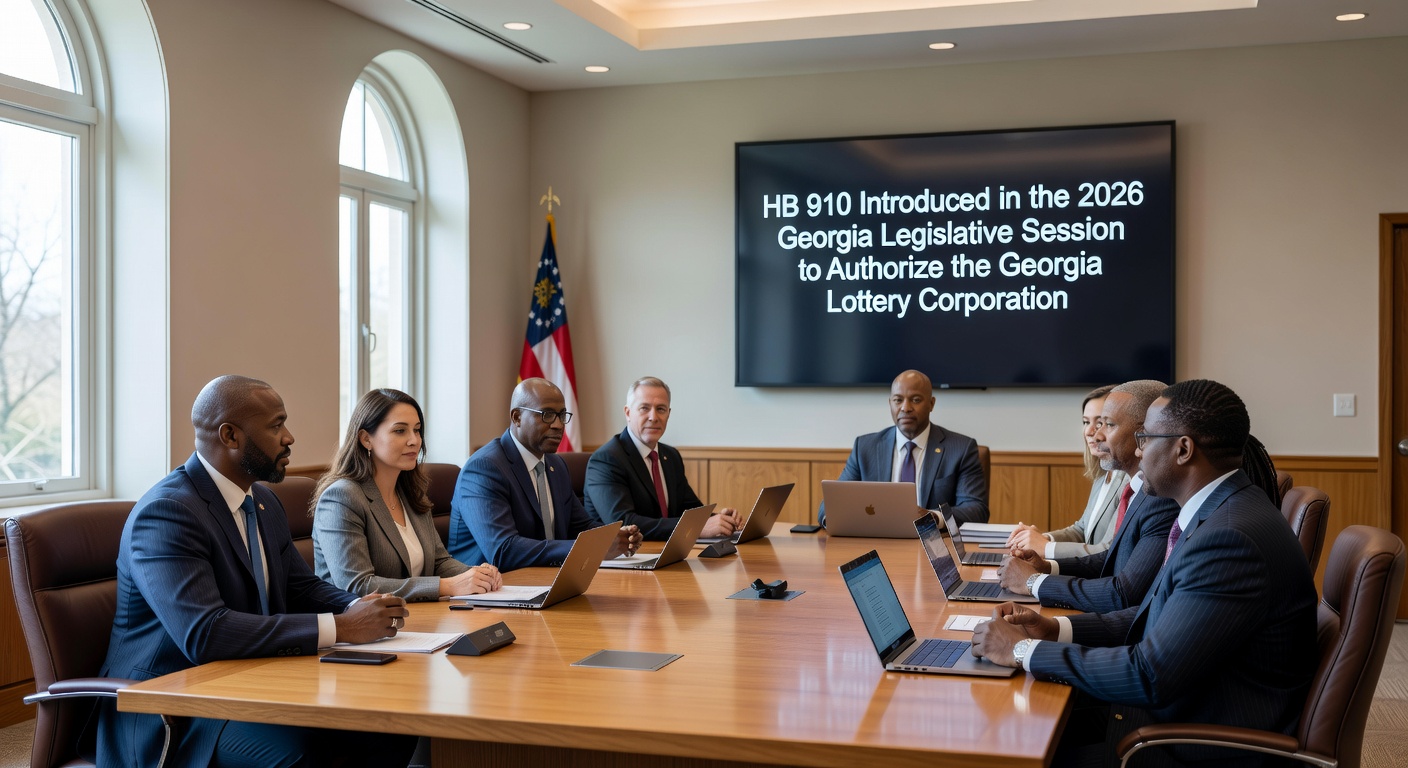
On August 21, 2026, a CFTC committee meeting in Washington, D.C., turned into a pointed exchange between CME Group Chairman Terry Duffy and Kalshi co-founder Luana Lopes Lara, with agency officials caught in the middle. The roundtable focused on prediction market regulation and oversight, yet the conversation quickly shifted to accusations and historical grievances that revealed deep divides in how these markets should be supervised.
Setting the Stage for the Confrontation
The session brought together representatives from major derivatives exchanges and emerging prediction platforms to discuss federal oversight amid expanding activity in event contracts. Duffy opened with concerns about market manipulation risks, citing recent incidents that included teleprompter-related bets and cases tied to offshore operators. He argued that the CFTC's current framework left gaps that could undermine market integrity, while Kalshi defended its compliance record and raised questions about CME's own past regulatory encounters.
Those present noted that the back-and-forth underscored longstanding friction between established futures markets and newer prediction platforms. Data from industry reports showed prediction contract volumes growing rapidly through 2025 and into 2026, prompting both sides to stake positions on how oversight should evolve.
Duffy Raises Specific Concerns
Duffy pointed to examples of potential manipulation, including bets placed around teleprompter events and activity linked to offshore entities. He told attendees that these cases illustrated why stricter controls and clearer boundaries were needed before prediction markets expanded further. According to participants, his remarks emphasized the need for consistent federal standards rather than fragmented approaches that might invite regulatory arbitrage.
Observers at the meeting recorded Duffy's comments as a direct challenge to the CFTC's handling of event contracts, suggesting that existing rules had not kept pace with technological changes in how these markets operated. His statements aligned with broader discussions at teh agency about balancing innovation against consumer protection and market stability.
Kalshi Responds and Shifts Focus
Luana Lopes Lara countered by defending Kalshi's operational practices and questioning whether CME had maintained a spotless record in its own history. She highlighted Kalshi's adherence to CFTC guidelines and argued that the platform's model differed fundamentally from traditional derivatives trading. The exchange revealed how each side viewed the other's market structure as potentially problematic under current rules.
Those familiar with the proceedings noted that Lara's remarks redirected attention toward CME's earlier settlements and compliance matters, framing the debate as one of consistency rather than one-sided criticism. This approach kept the discussion centered on regulatory fairness across different market participants.
Broader Regulatory Tensions Surface
The August 21 session also touched on the overlap between federal derivatives regulation and state gambling statutes, an issue that has grown more prominent as prediction platforms scale. Participants discussed how rapid industry expansion has created situations where contracts could fall under multiple legal frameworks depending on jurisdiction and product design. Evidence presented at the meeting pointed to increasing volumes in both established futures and newer event-based products through the first half of 2026.
Reports from the period showed that prediction market activity had drawn attention from multiple regulatory bodies, with the CFTC maintaining primary oversight for certain contracts while states monitored others under gambling provisions. The roundtable made clear that these overlapping authorities remain a point of contention for exchanges and platforms alike.
Industry Context and Ongoing Discussions
Industry observers have tracked similar regulatory debates for years, yet the August 2026 meeting stood out because of the direct confrontation between a major derivatives exchange leader and a prediction market founder. The exchange highlighted how different business models interpret compliance obligations and risk management standards. Data compiled by market analysts indicated that event contract trading had increased substantially since 2024, adding urgency to the questions raised during the roundtable.
Those who followed the proceedings noted that the CFTC officials present listened without immediate policy announcements, leaving the substantive disagreements for further review. The session ended with participants agreeing that additional clarity on manipulation safeguards and jurisdictional boundaries would be necessary as volumes continued to rise.
Conclusion
The August 21, 2026, CFTC roundtable captured a moment of friction between traditional derivatives markets and emerging prediction platforms. Duffy's focus on manipulation risks stood in contrast to Lara's defense of Kalshi's practices and her references to CME's history, while the discussion also exposed the challenges of aligning federal derivatives rules with state gambling laws. The event provided a public record of the positions each side holds as the industry grows, and it left regulators with specific points to address in future guidance.