Charting Bonus Trails: Regional Licensing Rules Driving Promotion Differences at Certified Retail Gaming Floors
Written by Blake Vogel · Jul 28, 2026
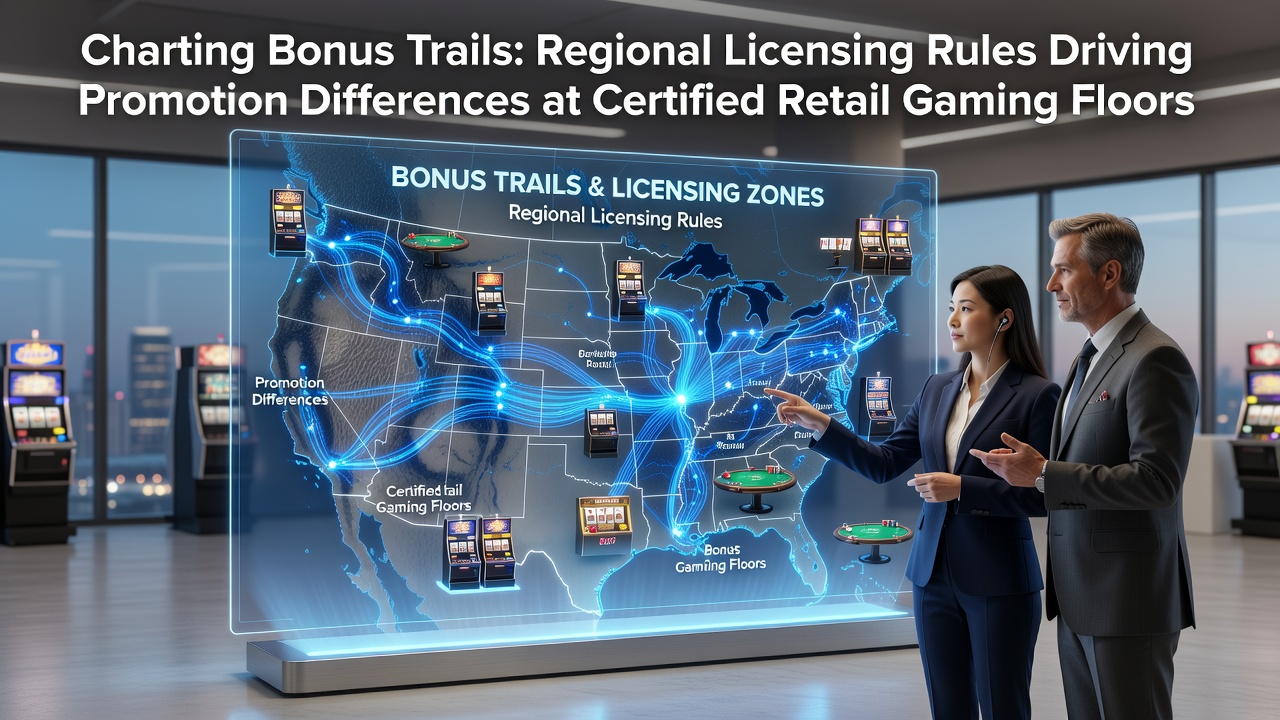
Charting Bonus Trails: Regional Licensing Rules Driving Promotion Differences at Certified Retail Gaming Floors
Regional licensing frameworks shape the promotional landscape at certified retail gaming floors across multiple jurisdictions, and these rules create distinct patterns in bonus offerings that operators must navigate carefully. Licensing authorities in different states and provinces set specific parameters for player incentives, deposit matches, free play credits, and loyalty rewards, which in turn influence how venues structure their marketing campaigns and floor-level promotions.
Licensing Variations Across Key Markets
States such as Nevada maintain broad flexibility in promotion structures under the oversight of the Nevada Gaming Control Board, allowing operators to experiment with tiered loyalty programs and time-limited bonus trails that encourage repeat visits, while New Jersey imposes tighter reporting requirements on promotional value and player eligibility through its Division of Gaming Enforcement. These differences mean that a casino floor in Las Vegas might roll out a multi-week bonus trail tied to table game play without prior approval for each element, whereas Atlantic City venues submit detailed plans weeks in advance to ensure compliance with revenue allocation rules.
Canadian provinces add another layer, where Ontario's Alcohol and Gaming Commission of Ontario enforces strict separation between promotional funds and operational revenue, leading to promotions that emphasize non-cash rewards like hotel stays or dining credits rather than direct gaming credits. Data from industry reports indicates that these regulatory distinctions produce measurable variations in promotion uptake, with venues in less restrictive environments showing higher participation rates in cumulative bonus trails that build across multiple visits.
How Rules Influence Bonus Trail Designs
Promotion structures often follow directly from licensing conditions that dictate minimum play requirements, maximum award values, and disclosure standards. In jurisdictions where licensing caps the total promotional budget as a percentage of gross gaming revenue, operators design bonus trails with smaller incremental rewards spread over longer periods to stay within limits, and this approach appears frequently in Midwest state casinos where regulatory caps sit at lower thresholds than coastal markets. Observers note that such constraints encourage creative bundling, where free play credits combine with merchandise or event tickets to extend the perceived value without exceeding monetary caps.
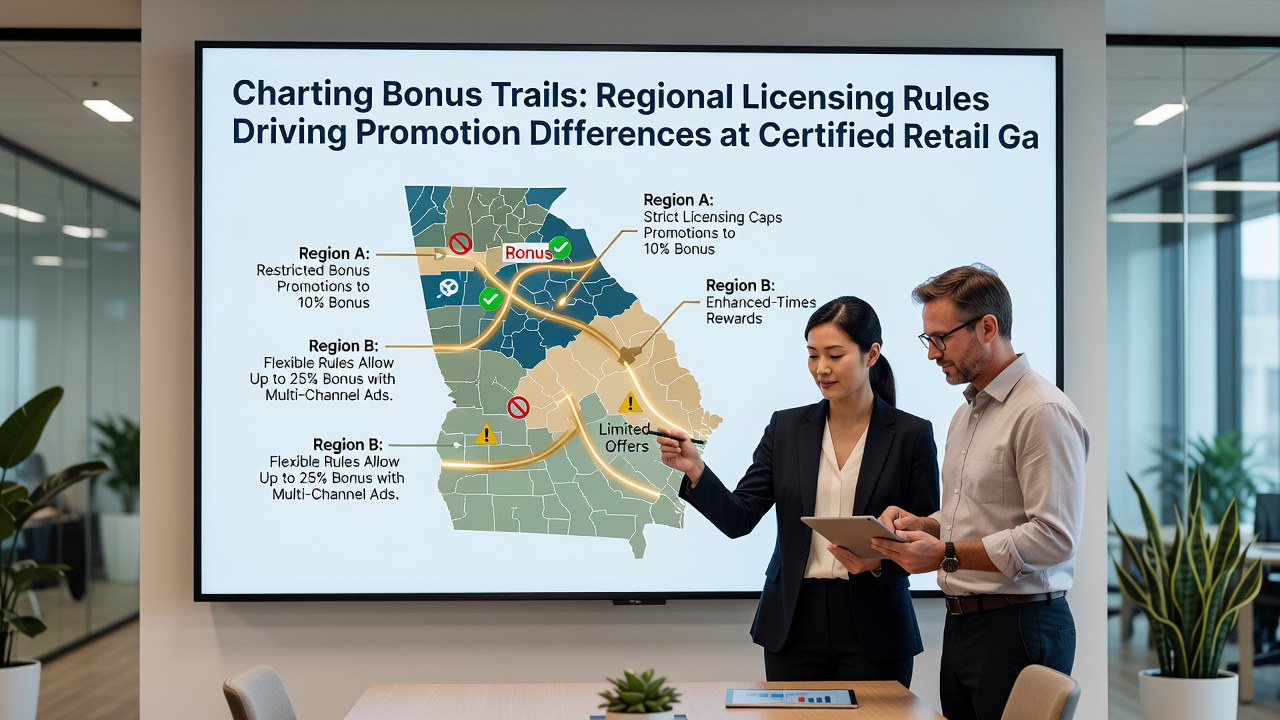
By July 2026 several states had updated their licensing renewal processes to include mandatory audits of promotion performance metrics, which further standardized how bonus trails track player progress and redemption rates. These audits require detailed logging of every credit issued and redeemed, prompting operators to integrate real-time tracking systems that display remaining trail milestones on floor kiosks and mobile apps. The result shows up in more transparent promotion designs that clearly state eligibility windows and contribution rates toward bonus completion, reducing disputes while aligning with regulatory expectations for consumer protection.
Regional Clustering and Promotion Uptake Patterns
Geographic clustering of licensed venues creates additional dynamics, since operators in densely regulated clusters often mirror successful promotion models from neighboring properties to maintain competitive parity. Research from the American Gaming Association highlights how shared regulatory environments within a state can lead to similar bonus trail lengths and reward structures across multiple floors, even when individual operators hold different license classes. Yet venues near state borders sometimes adjust trails to attract cross-border traffic, offering slightly higher initial bonuses that comply with the stricter of the two jurisdictions' rules.
Industry data reveals that promotion redemption rates climb when trails incorporate local events or seasonal themes permitted under licensing, such as sports-related challenges in markets where gaming regulations allow tie-ins with approved entertainment. Those patterns hold steady across certified retail sites where licensing explicitly addresses cross-promotional partnerships with hotels, restaurants, and entertainment venues on the same property.
Compliance Tools and Operational Adjustments
Operators rely on specialized compliance software to map licensing requirements against planned bonus trails, ensuring every element from sign-up incentives to tiered multipliers stays within approved boundaries. These systems flag potential violations before promotions launch, and staff training programs emphasize real-time monitoring of player accounts to prevent accidental over-issuance of credits. According to figures from state regulatory filings, facilities that invest in such tools experience fewer compliance reviews and maintain steadier promotion calendars throughout the year.
Venues in emerging markets often start with conservative trail designs that test regulatory tolerance before expanding reward tiers, and this phased approach allows operators to gather performance data that supports future license amendment requests. The process creates a feedback loop where successful regional models influence licensing discussions elsewhere, gradually aligning certain promotion features across jurisdictions while preserving local distinctions.
Conclusion
Regional licensing rules continue to drive meaningful differences in how certified retail gaming floors construct and execute bonus trails, with each jurisdiction's specific requirements shaping reward structures, disclosure practices, and operational timelines. As more states refine their frameworks through 2026 updates, operators adapt by refining tracking systems and aligning promotions with both regulatory limits and player expectations, resulting in a diverse but regulated promotional environment across retail gaming sites.