Bets and Brews: Sportsbook Lounges Redefining Game-Day Vibes
Written by Zoe Ludwig · Apr 24, 2026
Bets and Brews: Sportsbook Lounges Redefining Game-Day Vibes
The Surge of Hybrid Betting-Bar Experiences
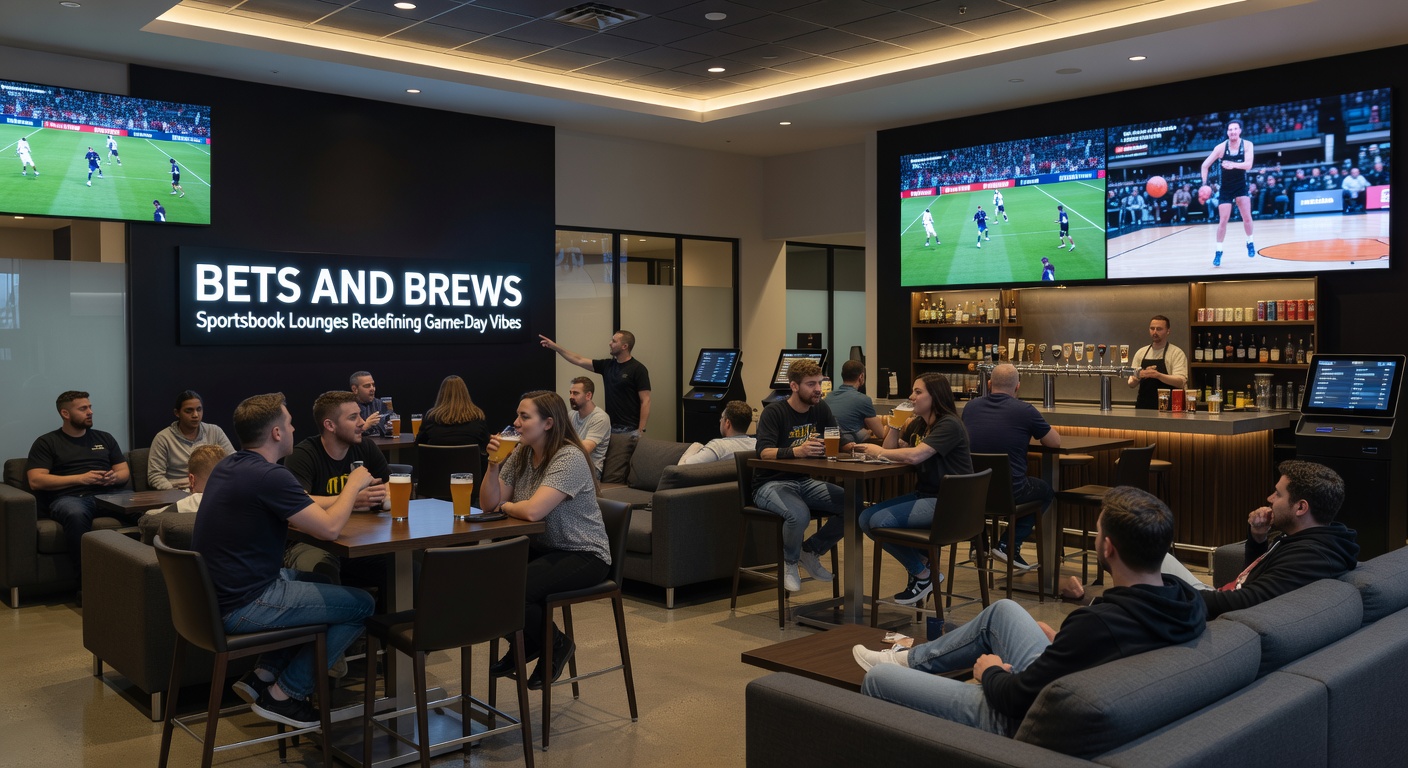
Sportsbook lounges blend the thrill of wagering with the relaxed atmosphere of neighborhood bars, drawing crowds that linger longer than traditional sportsbooks ever did; these spots feature massive screens blasting live games, craft beer taps flowing non-stop, and betting kiosks tucked seamlessly into cozy corners, turning ordinary watch parties into high-energy events where fans wager on plays while savoring loaded nachos or IPAs. Data from the American Gaming Association shows such venues contributed to a 28% uptick in retail sports betting handle during the 2025 football season, as operators capitalize on the desire for social immersion over solitary online bets. Observers note how these lounges popped up rapidly post-PASPA repeal in 2018, evolving from stark casino annexes into vibrant destinations that pack in locals for everything from NFL Sundays to niche events like college hoops tournaments.
Take the growth trajectory: by early 2026, over 150 sportsbook lounges operated across 25 states, according to industry trackers, with expansions accelerating in markets like New Jersey and Colorado where hybrid licenses allow bars to install betting tech without full casino builds. And here's where it gets interesting — these aren't just add-ons; they're purpose-built hybrids, complete with loyalty apps that sync bar tabs to wager histories, rewarding regulars with free pours after big wins. People who've frequented them often describe the vibe as electric, yet comfortable, like tailgating without the weather worries.
Core Features Powering the Appeal
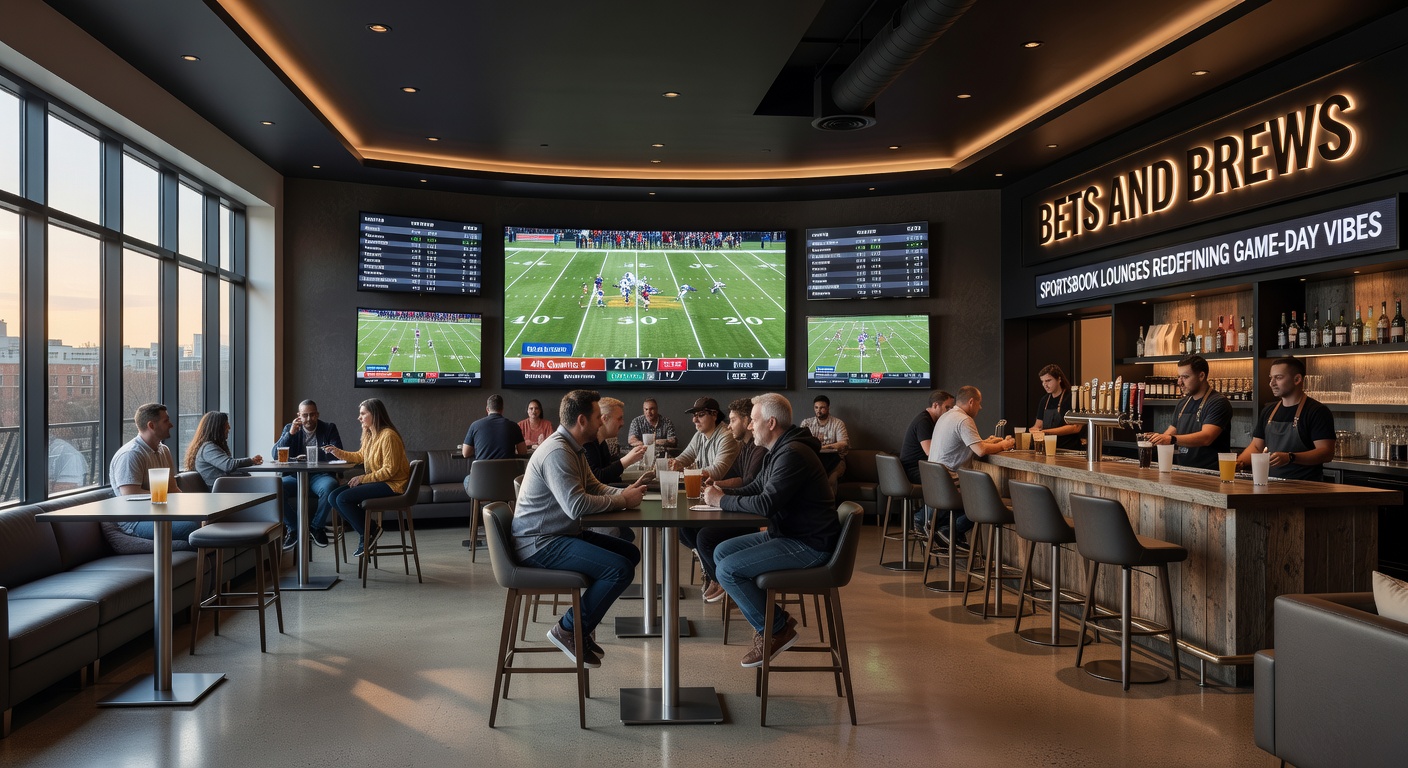
What sets these lounges apart lies in their multi-sensory setups: rows of high-def TVs encircle communal tables stocked with betting terminals that accept quick same-game parlays, while bartenders sling seasonal brews paired to game themes — think citrus wheat ales for beach volleyball or stouts during winter baseball slates; food menus lean heavy on shareables like wings and sliders, designed for groups that debate odds between bites. Studies from hospitality researchers at Cornell University reveal that such integrations boost dwell time by 45% compared to standalone sportsbooks, as patrons settle in for the full experience rather than darting in and out.
Technology plays a starring role too; self-service kiosks from providers like IGT and Aristocrat handle everything from live in-play bets to prop markets on player stats, all while apps notify users of nearby happy hours or VIP sections for high-rollers. But it's the ambiance that seals the deal — dim lighting, stadium-style seating, and sound systems tuned to crowd roars create that arena feel indoors, especially during peak nights when lines form hours before tip-off. One case stands out: a Denver lounge that synced LED walls to fan heart rates via wearables, flashing colors based on collective excitement levels during playoff runs.
Now consider the brews angle; partnerships with local craft distilleries mean exclusive taps like "Hail Mary Hazy IPA" tied to team promotions, drawing beer enthusiasts who dip toes into betting casually. Figures indicate these collabs drove a 15% sales bump in non-alcoholic options too, catering to responsible gaming pushes while keeping the party inclusive.
Standout Venues Leading the Charge
Across the map, flagship examples showcase the model's diversity; in Las Vegas, the Circa Sports Resort's multi-level lounge spans 26,000 square feet with sightlines to every angle, serving up skyline views alongside odds boards updated in real-time, and it routinely sells out for UFC cards where bettors pair fights with whiskey flights. Meanwhile, Pennsylvania's Live! Casino & Hotel in Philly transformed its DraftKings-powered space into a beer garden hybrid, complete with fire pits and outdoor screens that hosted overflow crowds during the 2025 Eagles playoff push.
Shifting coasts, Arizona's Talking Stick Resort unveiled a lounge in late 2025 featuring tribal-inspired decor and 50+ taps, pulling in Phoenix Suns fans who wager on halftimes while munching prickly pear margarita-glazed tacos; data from the Nevada Gaming Control Board highlights similar setups boosting handle per visitor by 22% through extended stays. And don't overlook smaller markets — Iowa's Wild Rose casinos rolled out compact lounges that double as community hubs, hosting watch parties for Hawkeyes games with brews from nearby microbreweries, proving the concept scales down without losing punch.
Experts who've mapped these spots observe a pattern: prime locations near arenas or highways thrive, but urban infills like Chicago's revived Gold Spike tavern-turned-sportsbook draw neighborhood crowds for low-stakes fun, blending nostalgia with modern tech.
Game-Day Shifts and Fan Engagement
These lounges reshape how fans experience games, turning passive viewing into interactive rituals where groups split parlays over pitchers, cheer zones ignite on buzzer-beaters, and post-game breakdowns fuel next-round bets; research from the University of Nevada indicates attendance spikes 60% on big nights, as social proof amplifies the fun — one person wins big, and the table follows suit. Turns out, the brew element lowers barriers too; casual drinkers test-drive micro-bets on fun props like "first pitch strikeouts," easing into fuller engagement without pressure.
April 2026 brought fresh proof during MLB's early season grind and lingering NBA playoffs, when lounges in swing states like Michigan reported record foot traffic for Tigers home openers paired with Cavaliers series bets; servers zipped between tables updating live odds, while pop-up DJs spun team anthems between innings. What's notable is the inclusivity — family-friendly zones with mocktails and non-alcoholic bets attract broader demos, aligning with trends where women now comprise 40% of lounge visitors per AGA surveys.
Yet challenges persist; peak-hour crowds test crowd control, prompting innovations like reserved betting pods for groups, ensuring smooth flows even when lines snake out doors.
Navigating Regulations and Future Horizons
Operators thread needles through state rules that mandate age verification at every kiosk, responsible gaming signage amid the revelry, and caps on alcohol service during live bets; Colorado's framework, for instance, requires geofencing for lounge-exclusive promos, while Illinois audits tie bar revenues to wagering compliance. Industry reports from Australia's NSW Department of Enterprise (adapted for U.S. parallels) underscore how such oversight fosters sustainable growth, preventing overloads that plagued early adopters.
Looking ahead, 2026 forecasts point to tech upgrades like AR overlays on screens for virtual bet visualizations, plus eco-brews from sustainable suppliers appealing to younger crowds; expansions target Sun Belt states hungry for NFL tailgates, with lounges integrating EV charging for road-trippers. The reality is, as legalization spreads to untapped regions, these hybrids stand poised to anchor community sports culture, blending bets, brews, and unbreakable vibes.
Conclusion
Sportsbook lounges have carved a niche where wagering meets watering holes, elevating game days through immersive setups that keep fans hooked from kickoff to last call; with handle climbing and innovations rolling out, they signal a lasting evolution in how people connect over sports, one bet and brew at a time. Data confirms the momentum, positioning these spots as go-to destinations through 2026 and beyond.