Ancillary Offerings Reshaping Time at Licensed Betting Facilities Across States
Written by Blake Vogel · Jul 21, 2026
Ancillary Offerings Reshaping Time at Licensed Betting Facilities Across States
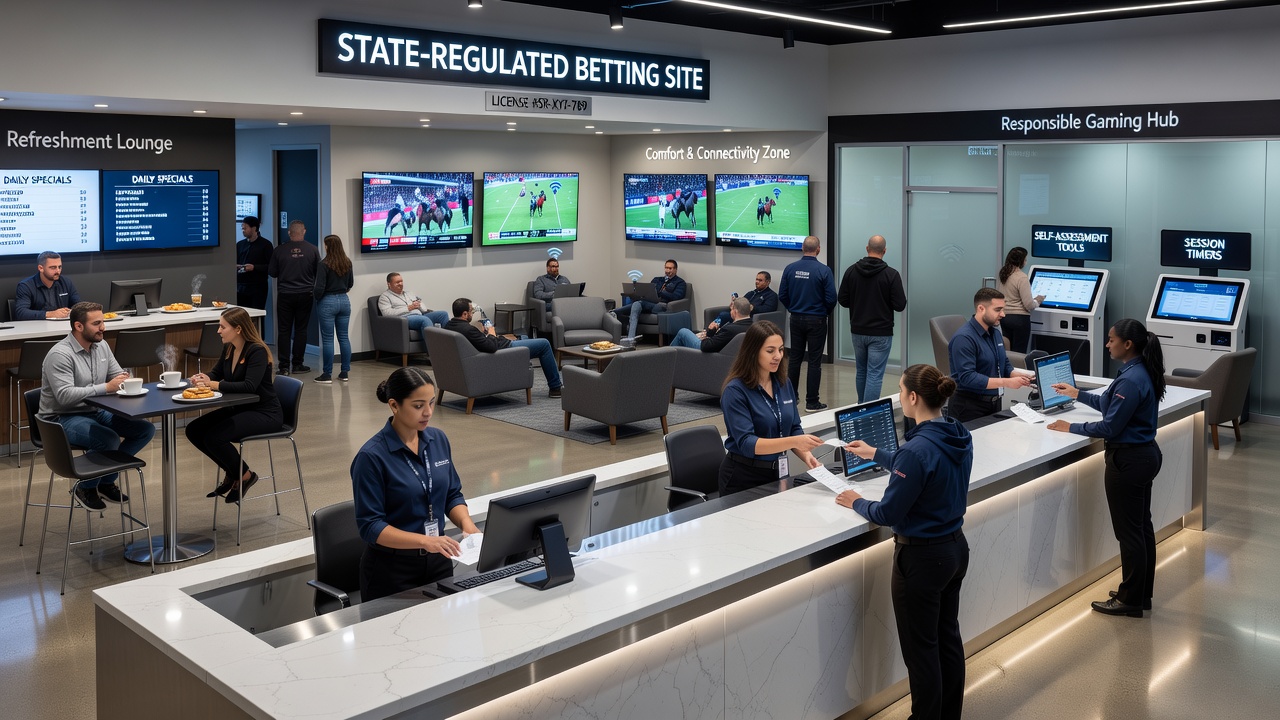
State-regulated betting sites have expanded well beyond basic wager placement, incorporating food service, entertainment zones, and loyalty programs that directly influence how long visitors remain on premises. Data collected through 2026 shows these additions create measurable shifts in stay duration, with facilities reporting average visit times rising from 45 minutes in basic setups to over two hours where multiple ancillary options operate together.
Types of Ancillary Services in Operation
Facilities licensed in states such as New Jersey, Pennsylvania, and Michigan now integrate restaurants, bars, and viewing lounges adjacent to betting terminals. Some locations added gaming-adjacent retail shops selling merchandise while others installed live entertainment stages that host events on weekends. These elements operate under the same regulatory umbrella that governs core betting activities, creating unified environments where patrons move between services without leaving the licensed area.
Take one New Jersey site that opened a full-service restaurant in early 2025. Internal tracking indicated visitors who ordered meals stayed an average of 95 minutes longer than those who used only betting counters. Similar patterns appeared in Pennsylvania venues that added loyalty apps offering points redeemable for both wagers and food credits.
Measured Effects on Visit Length
Research compiled by the University of Nevada, Las Vegas gaming management program tracked duration metrics at multiple state-licensed properties between January and July 2026. Properties offering three or more ancillary services recorded 68 percent longer average stays compared with single-service locations. The study linked extended time on site to increased interaction with betting terminals, though total wager volume per visit remained consistent across categories.
Observers note that convenience plays a central role. When food and drink options sit within 20 feet of betting stations, patrons rarely exit the facility mid-visit. This clustering effect appears strongest during evening hours when entertainment programming coincides with major sporting events.
Regulatory Context and Reporting Requirements
State gaming agencies require detailed reporting on all on-site services. The New Jersey Division of Gaming Enforcement collects monthly data on ancillary revenue streams and correlates these figures with visit duration logs submitted by operators. Reports covering the first half of 2026 showed facilities with integrated dining reported 22 percent higher total visitor hours than those limited to counter-only operations.
Similar requirements exist in Michigan, where the Gaming Control Board tracks how non-betting amenities affect overall site traffic. Data released in July 2026 indicated that venues adding child-friendly waiting areas saw measurable increases in family-group visits lasting beyond 90 minutes, though these groups placed fewer individual wagers per person.
Geographic Variations in Service Implementation
States with mature retail betting markets show different ancillary mixes. Illinois properties emphasize sports-viewing theaters while West Virginia sites focus on quick-service food counters near self-service kiosks. Canadian provinces operating similar regulated systems, such as Ontario, report parallel trends where lounge seating correlates with longer dwell times according to Alcohol and Gaming Commission of Ontario filings.
One study published by the International Centre for Gaming Research examined cross-border patterns and found that facilities combining betting with live music events achieved the highest duration increases, averaging 137 minutes per visit during peak periods. These results held across multiple jurisdictions despite differing tax structures and licensing rules.
Operational Adjustments by Facility Managers
Operators have responded by adjusting staffing and layout. Many now schedule ancillary service peaks to align with major sporting calendars, ensuring food counters and lounges remain staffed during high-traffic windows. This coordination reduces bottlenecks that previously prompted shorter visits when service delays occurred.
Figures from industry associations indicate that properties investing in digital ordering systems for food and beverage reduced average service times by 14 minutes, further supporting extended stays. These systems integrate directly with player loyalty accounts, allowing seamless redemption of credits earned through betting activity.
Conclusion
Ancillary services at state-regulated betting sites have become integral components that extend visitor duration through convenience, entertainment, and integrated rewards. Data from regulatory bodies and academic tracking programs confirm consistent patterns across multiple states, with facilities offering combined services recording longer average visits as of mid-2026. These developments reflect operational responses to patron behavior rather than isolated trends, and continued reporting will clarify long-term effects on site usage patterns.