Access Configurations and Incentive Response Patterns in Regulated Betting Platforms
Written by Willa Vogel · Aug 25, 2026

Access Configurations and Incentive Response Patterns in Regulated Betting Platforms
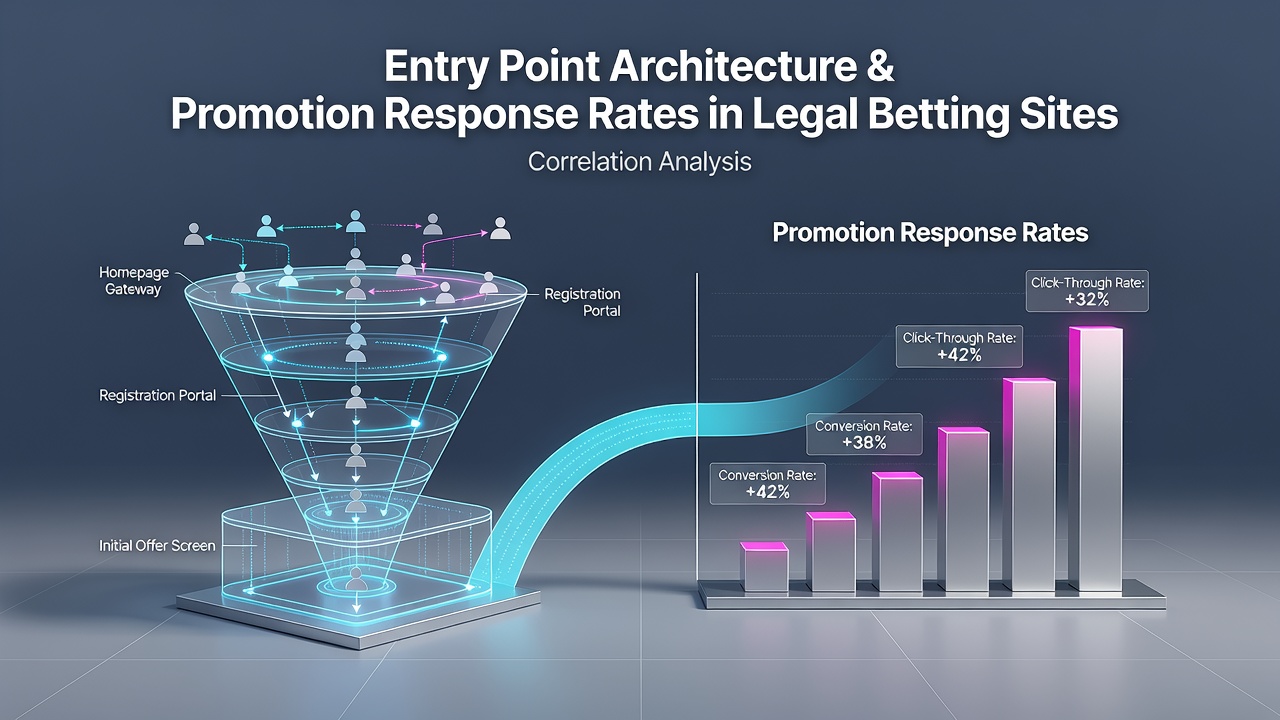
Entry point architecture in legal betting sites encompasses the physical and digital pathways that direct users from initial access points toward promotional offerings, and data from multiple jurisdictions shows measurable correlations between these designs and promotion uptake rates. Observers note that layouts incorporating clear sightlines, sequential signage placement, and integrated digital kiosks tend to guide higher volumes of traffic toward active incentives compared to fragmented or obstructed configurations.
Structural Elements That Shape Initial Engagement
Research indicates that the positioning of welcome desks, mobile app onboarding zones, and promotional banners near primary entrances influences how quickly bettors encounter and interact with available offers. In facilities where architects clustered these elements within the first 20 meters of entry, response rates to time-limited deposit bonuses increased by noticeable margins according to internal tracking from several state-licensed operators. Those who've studied venue flow patterns have documented that curved pathways leading directly to digital terminals reduce decision friction, allowing users to register for promotions before reaching wagering areas.
August 2026 figures from multiple regulated markets reveal that sites employing adaptive lighting and directional floor markings around entry zones recorded elevated click-through rates on mobile push notifications tied to the same promotions. The patterns hold across both retail lounges and online portals, where landing page architecture mirrors physical entry sequencing through progressive disclosure of offers.
Data Patterns Across Licensed Operations
Studies compiled by the Nevada Gaming Control Board demonstrate that promotion redemption metrics rise when entry designs incorporate dedicated incentive stations separated from high-traffic betting windows. Nevada Gaming Control Board reports from early 2026 quarters highlight a consistent 12 to 18 percent uplift in first-time bonus claims at venues that reconfigured entrances to include these stations. Similar trends appear in data from Canadian provincial regulators, where clustered access points near promotional hubs correlated with stronger uptake of matched deposit offers.
Turns out the correlation strengthens when entry architecture aligns with user journey analytics. Operators who integrated heat-mapping technology at access points discovered that visitors encountering promotions within the initial 90 seconds of arrival converted at higher rates than those who navigated longer routes. What's interesting is that these findings span both land-based and app-based environments, suggesting the underlying spatial logic transfers across formats.
Regional Variations and Regulatory Context
Evidence from the Australian Institute of Criminology points to comparable outcomes in licensed venues where entry designs emphasized sequential exposure to responsible gambling tools alongside promotional materials. The institute's analyses indicate that balanced placement prevents promotional overload while still elevating response rates. In contrast, sites with overly aggressive clustering near entrances sometimes saw temporary spikes followed by reduced repeat engagement.
Those monitoring multi-state operations have observed that platforms operating under the New Jersey Division of Gaming Enforcement guidelines achieved steadier promotion response curves when entry architecture incorporated optional opt-in zones rather than mandatory exposure. The distinction matters because regulatory frameworks in different regions shape how much control operators retain over initial user pathways.
Technical Integration and Measurement Approaches
Modern entry point designs increasingly blend physical and digital components, with QR code gateways and app handoff stations positioned to capture promotion data at the moment of arrival. Researchers at the University of Nevada, Las Vegas International Gaming Institute have tracked how these hybrid access points affect long-term retention metrics tied to initial promotional responses. University of Nevada, Las Vegas International Gaming Institute publications from mid-2026 note that seamless transitions between physical and digital entry points produce more reliable data trails for measuring correlation strength.
Operators continue to refine these elements based on aggregated performance data rather than isolated case studies. The ongoing adjustments reflect broader industry movement toward evidence-based layout decisions that prioritize measurable outcomes over aesthetic considerations alone.
Conclusion
Entry point architecture demonstrates consistent statistical relationships with promotion response rates across licensed betting environments, with specific design choices around sequencing, visibility, and digital integration producing measurable differences in user behavior. Continued collection of performance data from regulatory bodies and academic sources will likely refine these correlations further as operators adapt layouts to evolving platform requirements.